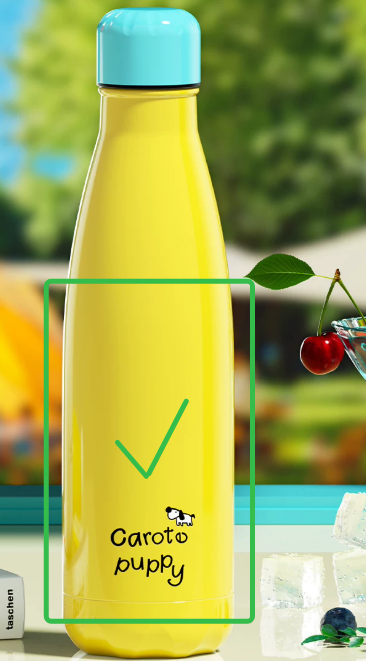
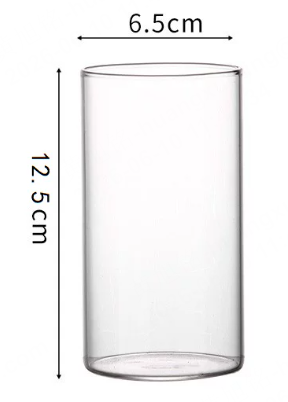
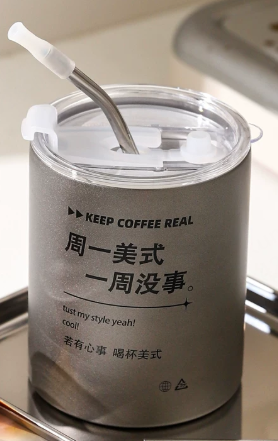
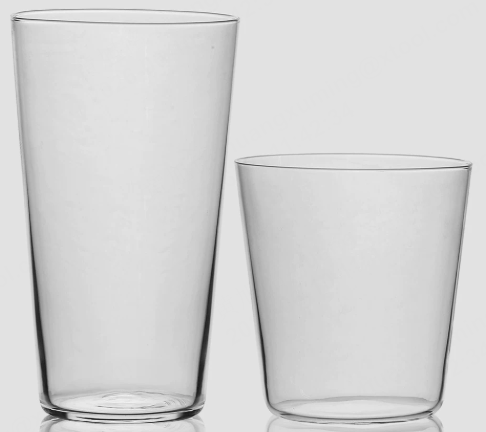
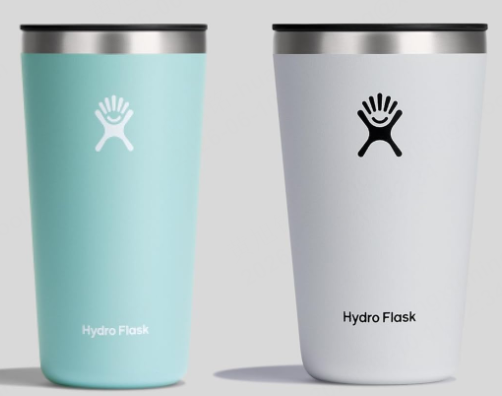
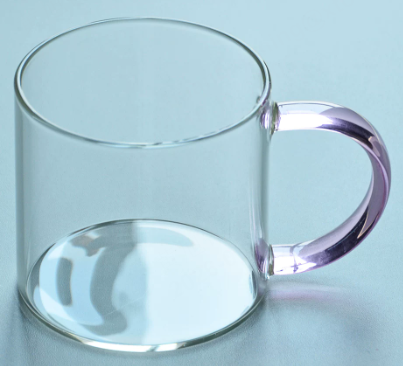
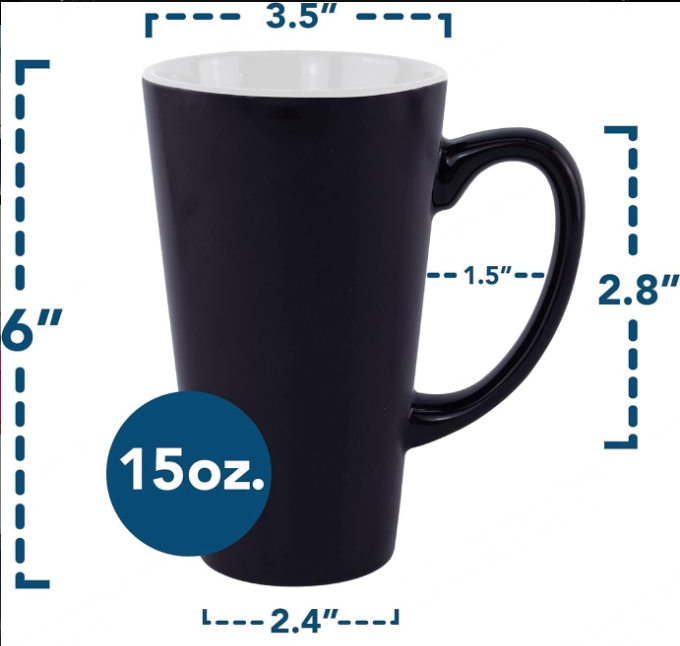
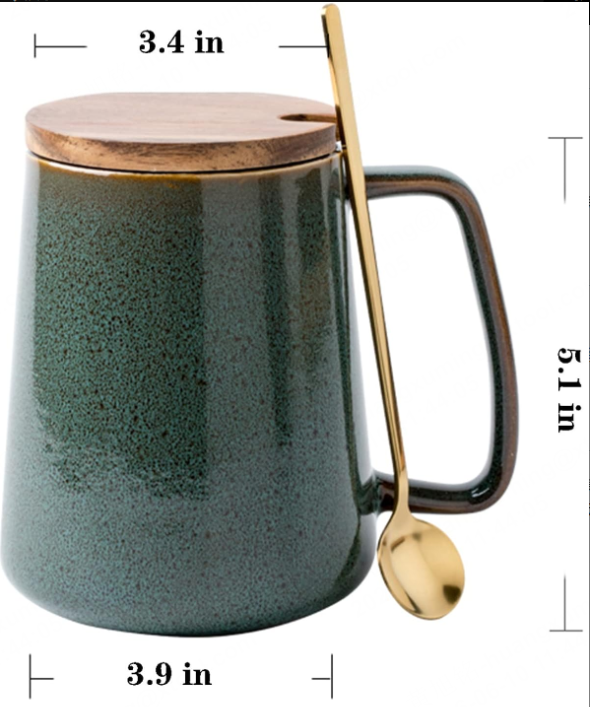
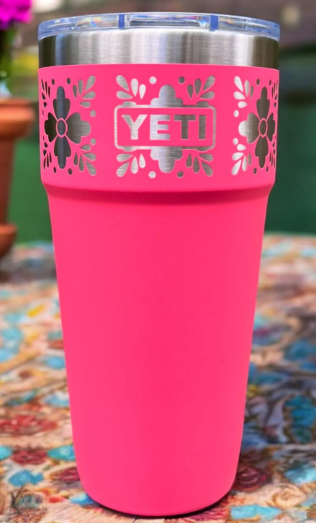
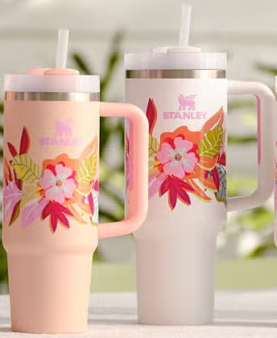
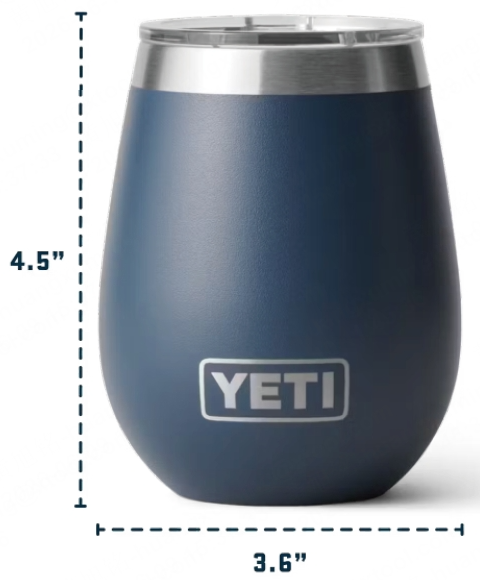
To perform rotary printing, the workpiece must meet the following conditions:
1. The workpiece can be secured by xTool OR1 Rotary Attachment.
Note: xTool OR1 Rotary Attachment is not suitable for securing objects without openings or other clamping features, such as rolling pins and candles.
Workpieces suitable for clamping:
Workpiece type | Requirements |
Open cylindrical containers |
|
Open tapered containers |
|
Open irregular containers |
Note: For open irregular containers with complex geometries, applicability must be verified through actual clamping tests. Some workpieces with highly curved surfaces (as shown in the image below) may not be stably clamped. The tail module may be used to assist in fixation, but there is still a risk of clamping instability. |
Beverage cans |
|
Spherical objects |
|
Note:
1. If the workpiece opening is too small, the jaw chuck cannot extend into the interior of the cup; if the cup opening is too large, it exceeds the maximum opening range of the jaw chuck, making stable clamping impossible.
2. For open rotary containers with handles, the sum of the workpiece opening radius and handle width shall not exceed 100 mm. No other dimensional requirements are specified for the handle.
2. The main body of the workpiece is rotationally symmetric, excluding the handle.
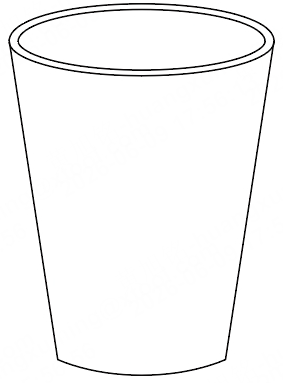
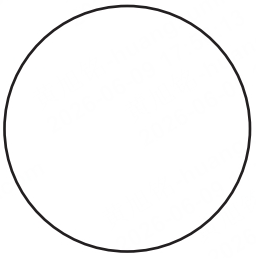
- The main body shape is a solid of revolution. Common examples include cylinders, truncated cones, and spheres. Any other solid of revolution also falls within this category. Examples of regular and irregular solids of revolution are shown below:
Category | Subcategory | Diagram | |||
Regular solids of revolution | Cylinder |
| |||
Truncated cone |
| ||||
Sphere |
| ||||
Irregular solids of revolution | / |
| ... | ||
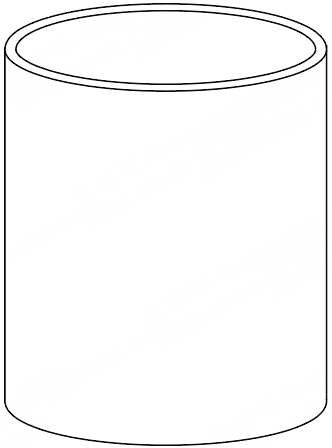
- Non-rotationally symmetric workpieces CANNOT be printed using xTool OR1 Rotary Attachment. Typical examples are shown below:
Irregular workpieces |
|
|
|
|
|
|
|
Multi-handle workpieces |
| ||||||
Workpieces with local protrusions |
| ||||||


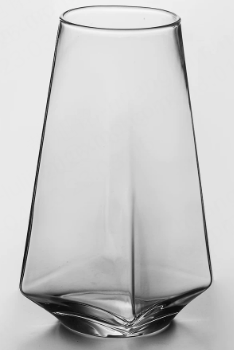

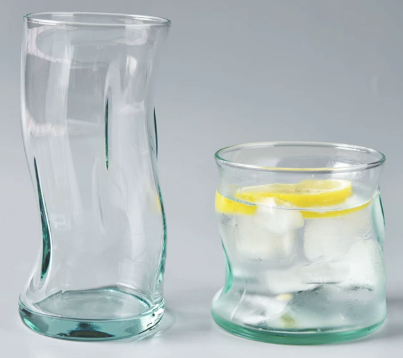
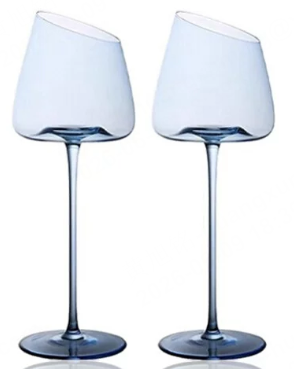


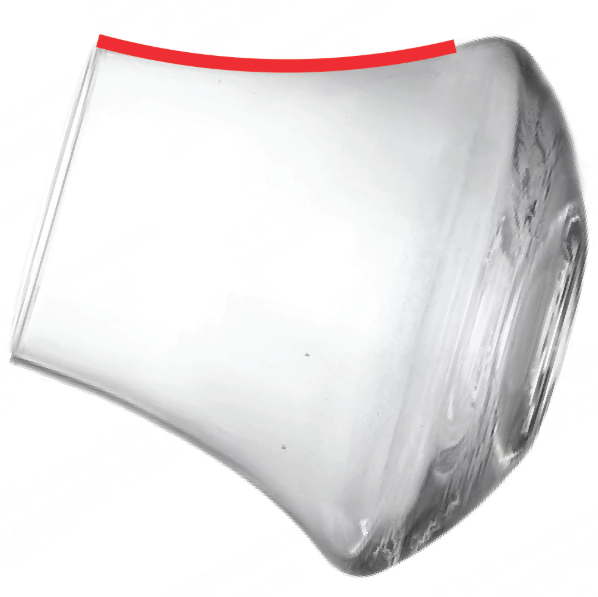
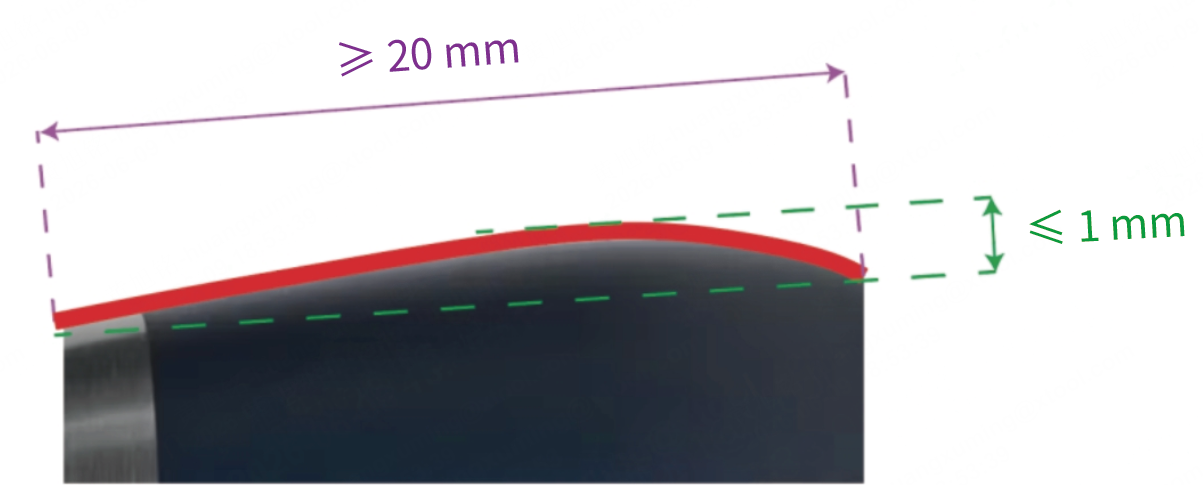
3. The generating curve is approximately straight (maximum height deviation ≤ 1 mm), and the continuous length is ≥ 20 mm.
- The flat segments of cylinders and truncated cones have no height difference (neglecting machining errors).
- The criteria for determining whether an irregular solid of revolution can be printed using xTool OR1 Rotary Attachment are shown in the table below.
Convex workpieces | Concave workpieces |
|
|
| This requirement also applies to concave workpieces. The height difference between the recessed area and the adjacent area shall not exceed 1 mm. Most concave workpieces have a height difference greater than 1 mm and therefore typically do not meet this requirement. |
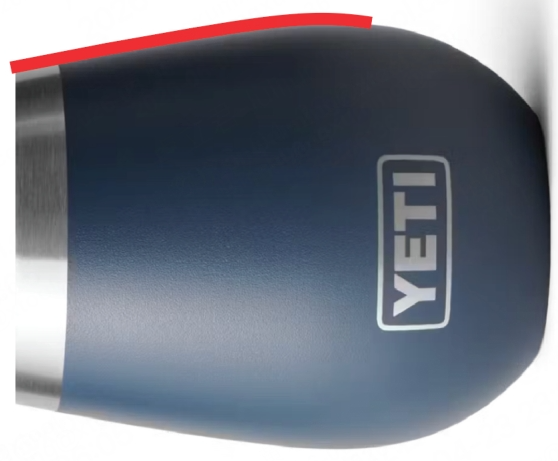
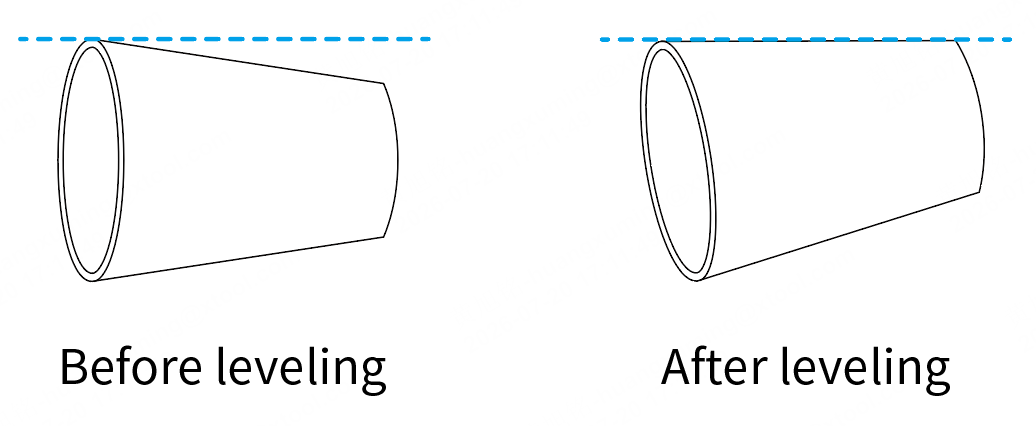
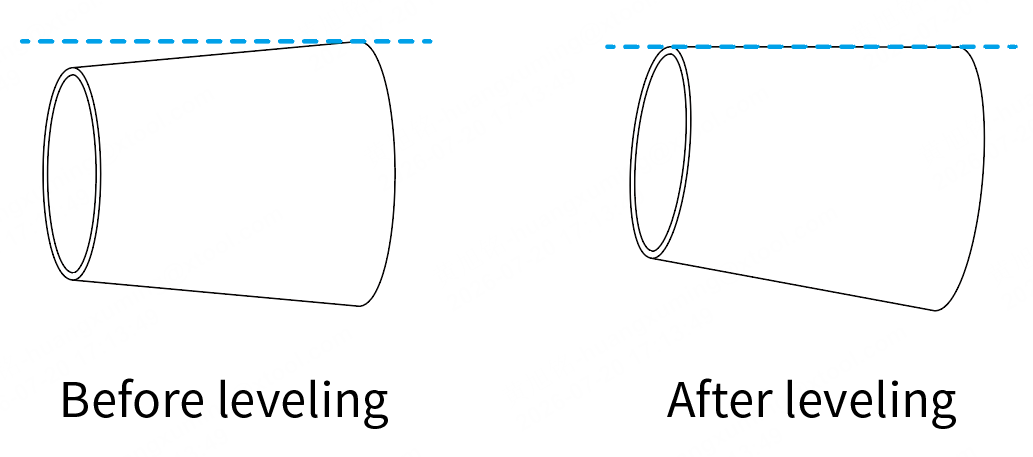
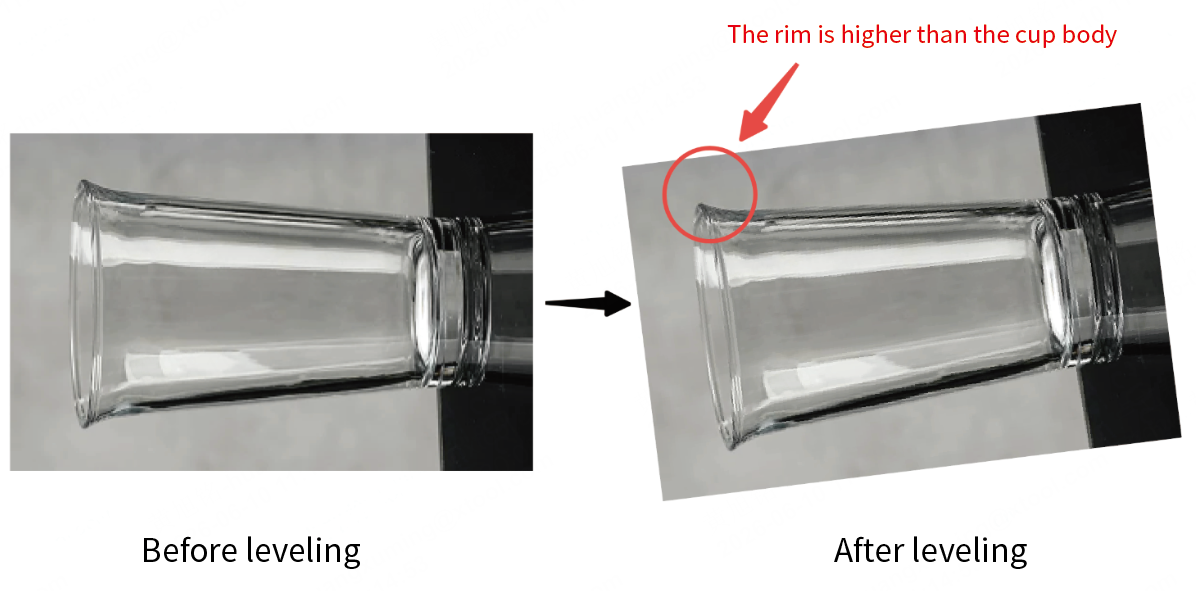
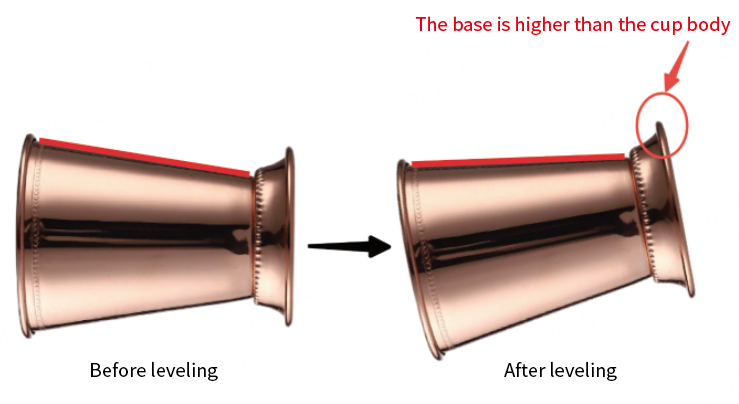
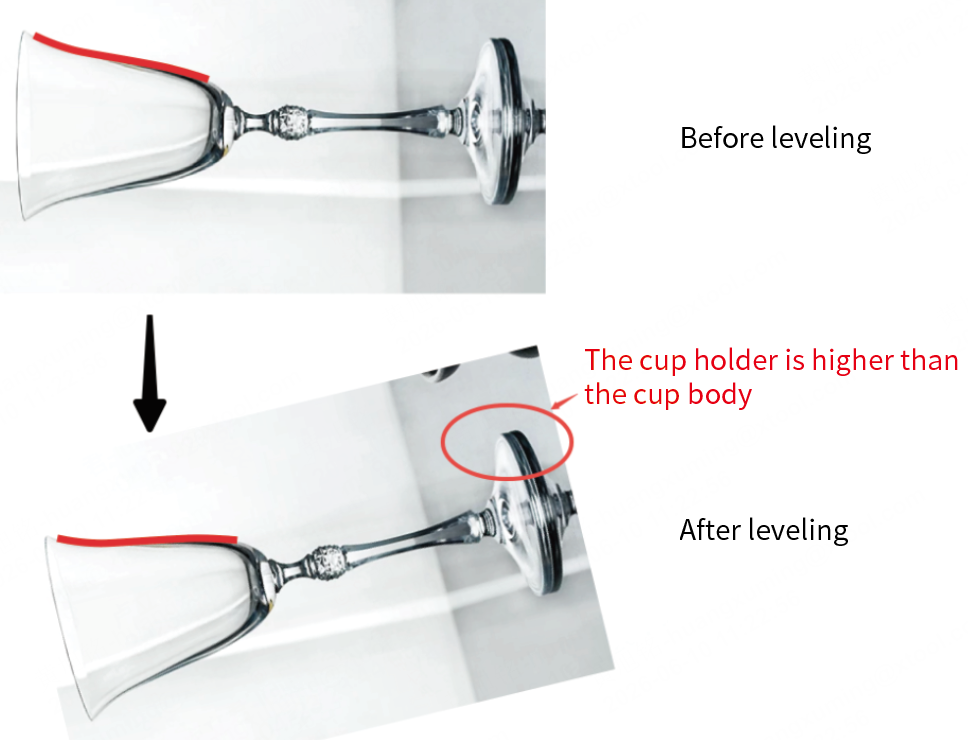
4. After leveling, the intended print position is still the highest point on the workpiece.
Leveling refers to adjusting the print area so that it maintains an appropriate and consistent distance from the printhead. For flat workpieces, this typically means that the print area is parallel to the printhead. For curved workpieces, the distance between the printhead and all points within the print area should be kept as consistent as possible.
- Cylinders: No leveling required.
- Truncated cones: After leveling, the distance between the printhead and all points within the print area is consistent. The illustrations below show the workpieces installed on the rotary attachment.
- Irregular solids of revolution (The illustrations below show the workpieces installed on the rotary attachment):
Examples of supported workpieces | Examples of unsupported workpieces (After leveling, some areas of the workpiece are still higher than the print area) |
|
|
| |
/ |
|
Cases
Workpiece type | Examples | Supported by xTool OR1 Rotary Attachment or not | Printable area | Why the workpiece cannot be printed | |
Inverted cup (rim diameter larger than body diameter) |
|
| No | / | The intended print area must be located at the highest point of the workpiece after leveling. For inverted cups, the body area typically does not meet this requirement. Therefore, printing on the cup body is not supported. |
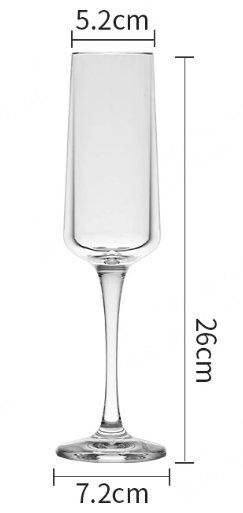
Stemmed cup (base diameter larger than body diameter) |
|
| No | / | The intended print area must be located at the highest point of the workpiece after leveling. For stemmed cups with base diameter larger than body diameter, the body area typically does not meet this requirement. Therefore, printing on the cup body is not supported. |
Straight bottle with narrow neck |
|
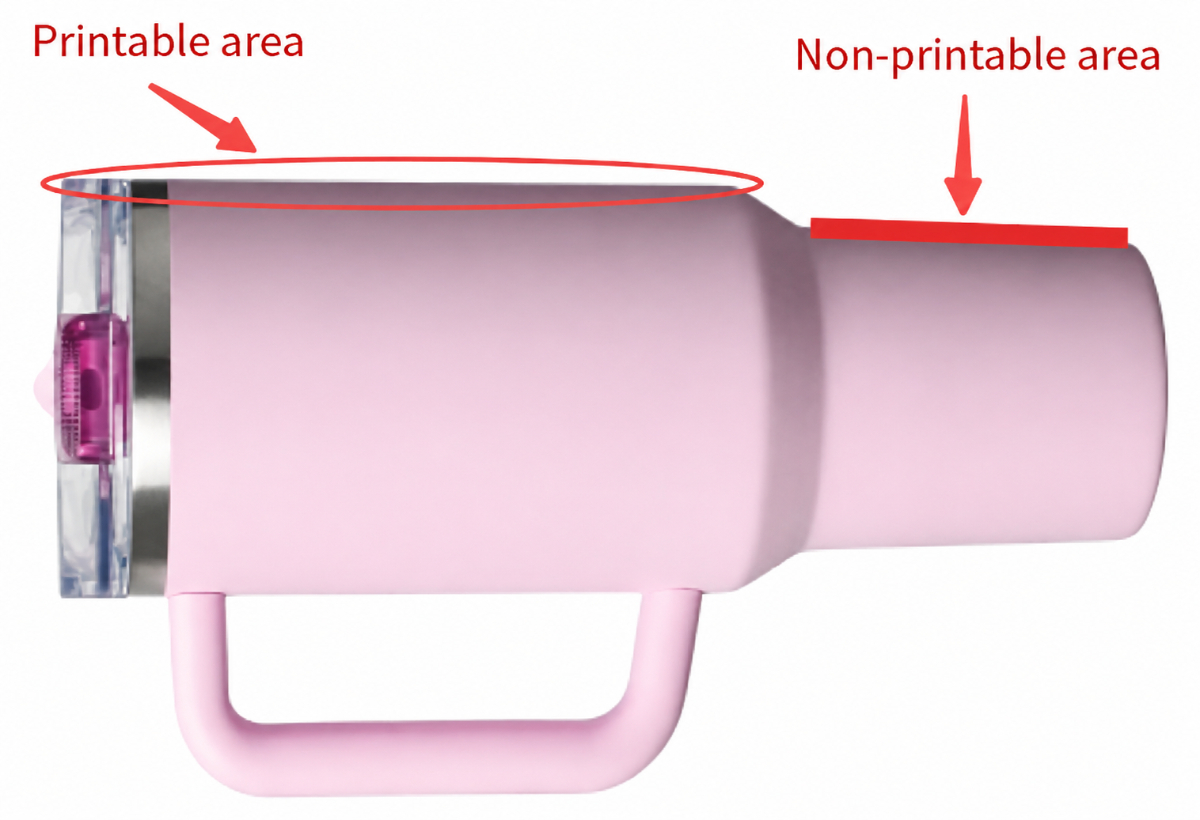
| Most bottles of this type cannot be printed because the bottle opening is too small for the jaw chuck to reach inside and securely grip the bottle. For some bottles with a large opening, printing on the bottle body may be possible if stable clamping can be achieved. | If the bottle can be securely clamped, the printable area is as shown below. Due to the bottle's shape, printing is only supported on the widest, relatively straight section of the bottle body. The tapered section near the bottle opening is not suitable for printing.
| / |
Cylindrical cup without a handle |
|
| Yes (the workpiece dimensions must be within the supported range) | Vertical: From the cup rim to the bottom edge of the cup. Circumferential: Supports full 360° wraparound printing. | / |
Conical frustum cup without a handle |
|
| Yes (the workpiece dimensions must be within the supported range) | Vertical: From the cup rim to the bottom edge of the cup. Circumferential: Supports full 360° wraparound printing. | / |
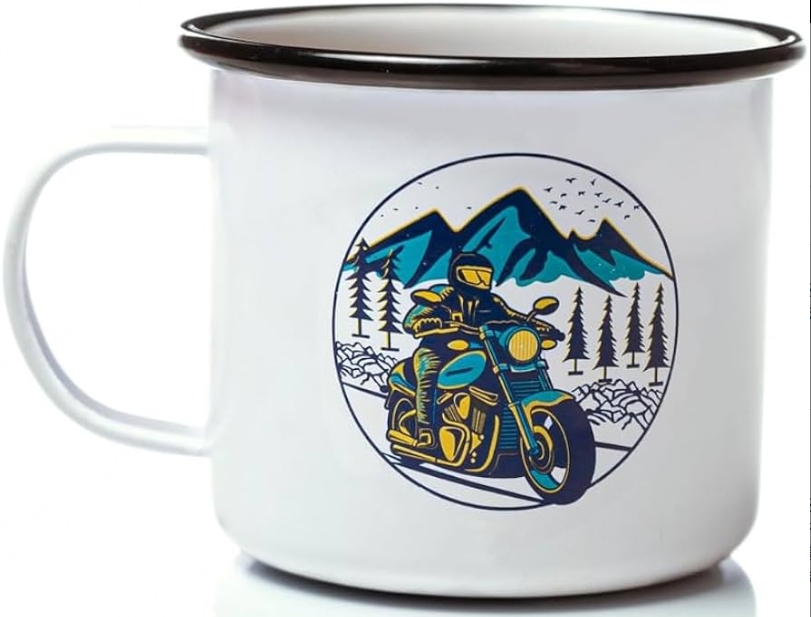
Cylindrical cup with a handle |
| Yes (the workpiece dimensions must be within the supported range) | Vertical: From the cup rim to the bottom edge of the cup. Circumferential: The area around the handle is not printable, while the remaining area supports printing. | / | |
Conical frustum cup with a handle |
|
| Yes (the workpiece dimensions must be within the supported range) | Vertical: From the cup rim to the bottom edge of the cup. Circumferential: The area around the handle is not printable, while the remaining area supports printing. | / |
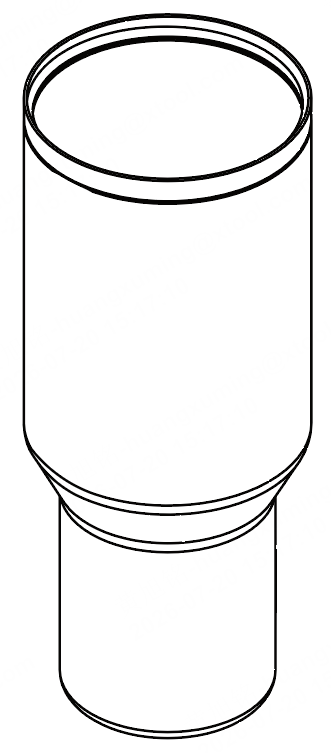
Waisted insulated tumbler |
|
| Yes (the workpiece dimensions must be within the supported range) | Printing is only supported on the straight cylindrical section and is not supported on the tapered section. | / |
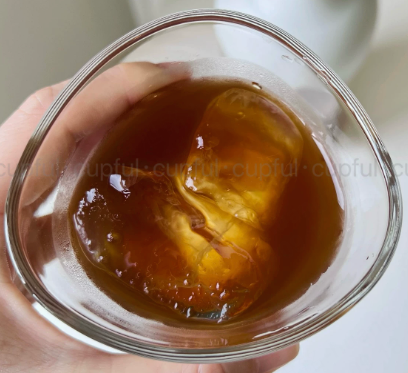
Tulip-shaped cup |
|
| Yes (the workpiece dimensions must be within the supported range) | The printable area is the red region indicated in the image below. The specific boundaries are defined in points 3 and 4 of this document. Stemmed glasses with similar shapes shall follow the same rules. | / |