
1. Causes of Telescopic Cutting Nozzle Damage
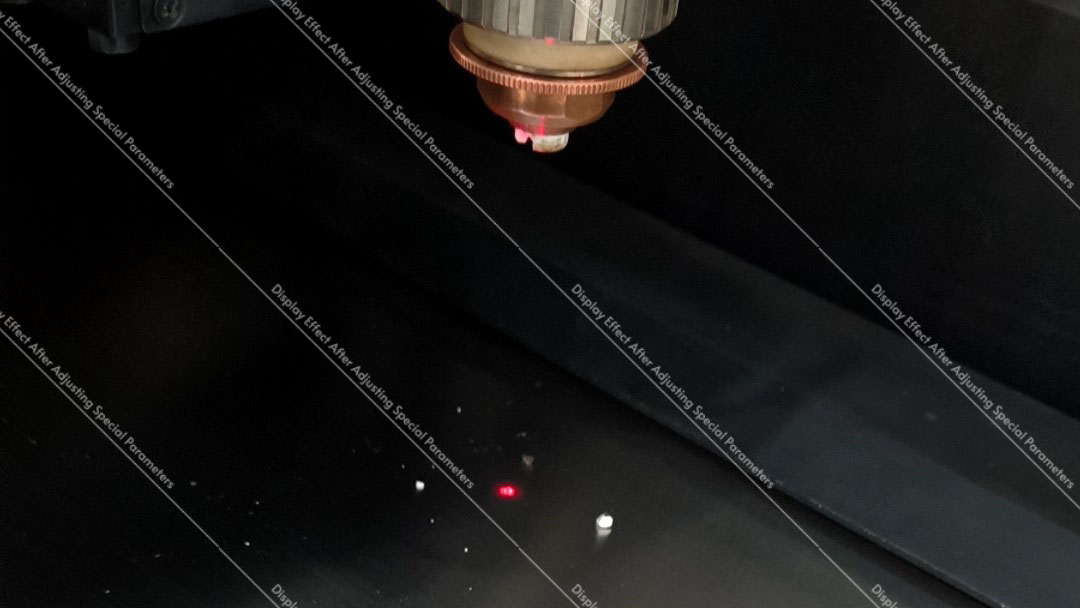
Damage Scenarios for the Telescopic Cutting Nozzle
1.1 Collision and Mechanical Impact
Uneven metal surface:
Raised areas, weld seams, burrs, or wave-shaped deformation on the metal sheet may cause the nozzle to lightly collide with the surface during cutting.
Operational vibration and machine shock:
Falling workpieces or rebounding scrap during cutting can strike the nozzle and cause damage.
Uneven installation pressure:
Over-tightening during installation, or impurities (dust, slag particles) caught between the ceramic nozzle and metal base, create localized stress points,These “pre-cracks” can later propagate under cutting vibration, leading to full fracture.
High-pressure gas shock:
Frequent pressure spikes or rapid start–stop cutting may cause sudden gas surges, generating micro-cracks inside the ceramic that eventually lead to breakage.
1.2 Cutting-Related Factors
High-temperature slag adhesion & improper cleaning:
Slag above 1500°C may splash onto the inner wall or edges of the nozzle, forming hardened deposits,Removing these deposits with metal tools (e.g., screwdrivers, steel brushes) can scratch or chip the ceramic.
If slag is not cleaned regularly, blockage occurs, causing turbulent airflow; pressure increases sharply and may crack the ceramic nozzle.
Laser burn damage:
Misaligned optical path or poor focus calibration can cause the laser beam to strike the nozzle’s inner wall,This creates burn marks, micro-cracks, and heat damage that later lead to failure.
1.3 Improper Operation and Maintenance
Incorrect cleaning tools or techniques:
Using hard tools to remove slag or applying excessive force can scratch or fracture the ceramic nozzle.
Ignoring early-stage damage:
Continuing to use a nozzle with small cracks or chipped edges causes cracks to rapidly expand during cutting, leading to complete failure.
Assist gas issues:
Gas leaks, unstable pressure, or prolonged use of low-purity gas (containing impurities) increase slag splashing and chemically erode the nozzle, accelerating wear.
2. How to Prevent Damage to the Telescopic Cutting Nozzle
2.1 Avoid Collisions and Mechanical Shock
Thoroughly clean raised areas, weld seams, and burrs on the metal sheet before cutting,Flatten severely warped sheets to prevent nozzle contact with irregular surfaces.
After installation, calibrate the optical path to ensure the laser beam is coaxial with the nozzle aperture, preventing laser burn damage,During batch processing, arrange parts efficiently and maintain enough scrap-drop space to avoid rebounding pieces from hitting the nozzle.
2.2 Minimize Slag Splashing
Optimize cutting parameters:
Increase assist gas pressure appropriately (without exceeding the ceramic nozzle’s pressure tolerance) to ensure efficient slag removal.
For thick plates, reduce cutting speed to prevent excessive slag buildup.
Regular nozzle cleaning:
Every 2 hours, or when slag is visible, clean around the nozzle opening using soft tools (wooden sticks, silicone scrapers),Never use metal tools to remove slag.
2.3 Standardized Operation and Routine Maintenance
Stop using the nozzle immediately if cracks or chipped edges are detected; replace promptly to prevent complete failure.
Turn off the laser and gas supply before cleaning. Wait until the nozzle cools to room temperature to avoid thermal shock damage.
Avoid touching hard objects with the nozzle; store ceramic nozzles in soft protective cases.
Perform weekly inspections for ceramic wear and cracks; clean the focusing lens to prevent beam refraction that could burn the nozzle.
Perform monthly checks on gas pipelines for leaks and pressure stability. Replace faulty regulators or hoses to prevent sudden pressure spikes.
Regularly clean dust and debris inside the cutting head to ensure stable airflow and reduce turbulence that accelerates nozzle wear.

Services & Help
Learn & Education

Copyright © 2025 xTool All Rights Reserved.