
1. Principle of Colored Metal Surface
The color on laser-engraved stainless steel is not achieved through pigment dyeing but through a high-temperature oxidation reaction, forming an “oxide film interference color.” The laser energy locally heats the stainless steel surface to a specific temperature (typically 200–500°C), causing surface metals (mainly chromium and iron) to react with oxygen in the air, forming a very thin oxide film. This oxide film produces a “thin-film interference” effect—different wavelengths of light (red, green, blue, etc.) are reflected and refracted on the oxide film, either reinforcing or canceling each other, resulting in a specific color (such as blue, gold, purple, etc.).
2. Effect Comparison Before and After Oxidation
2.1 Rust Formation
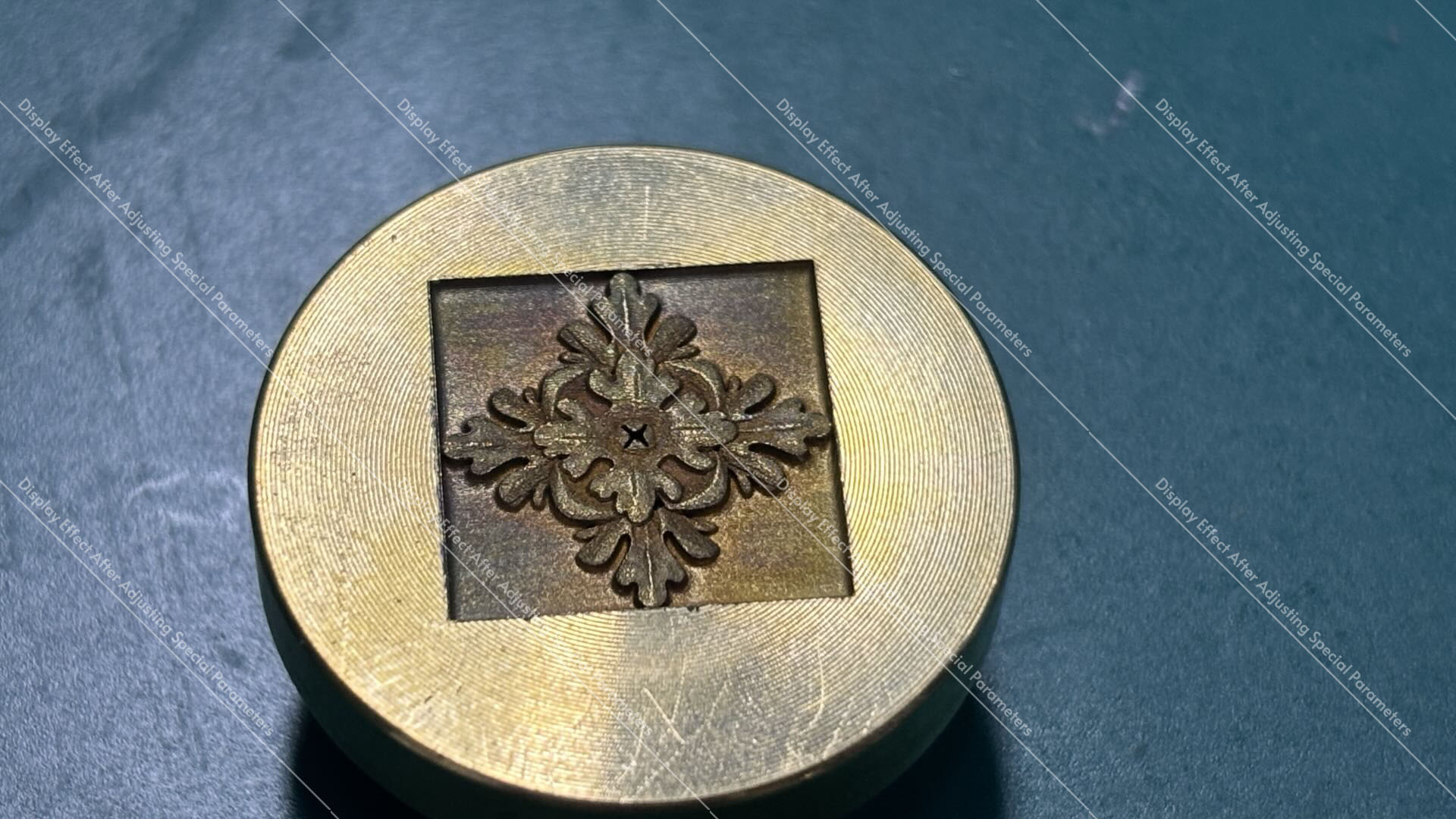
After laser engraving, the passivation layer on the metal surface is destroyed. High temperatures accelerate the metal oxidation reaction, and unprotected metal surfaces are prone to rust formation.
2.2 Color Fading
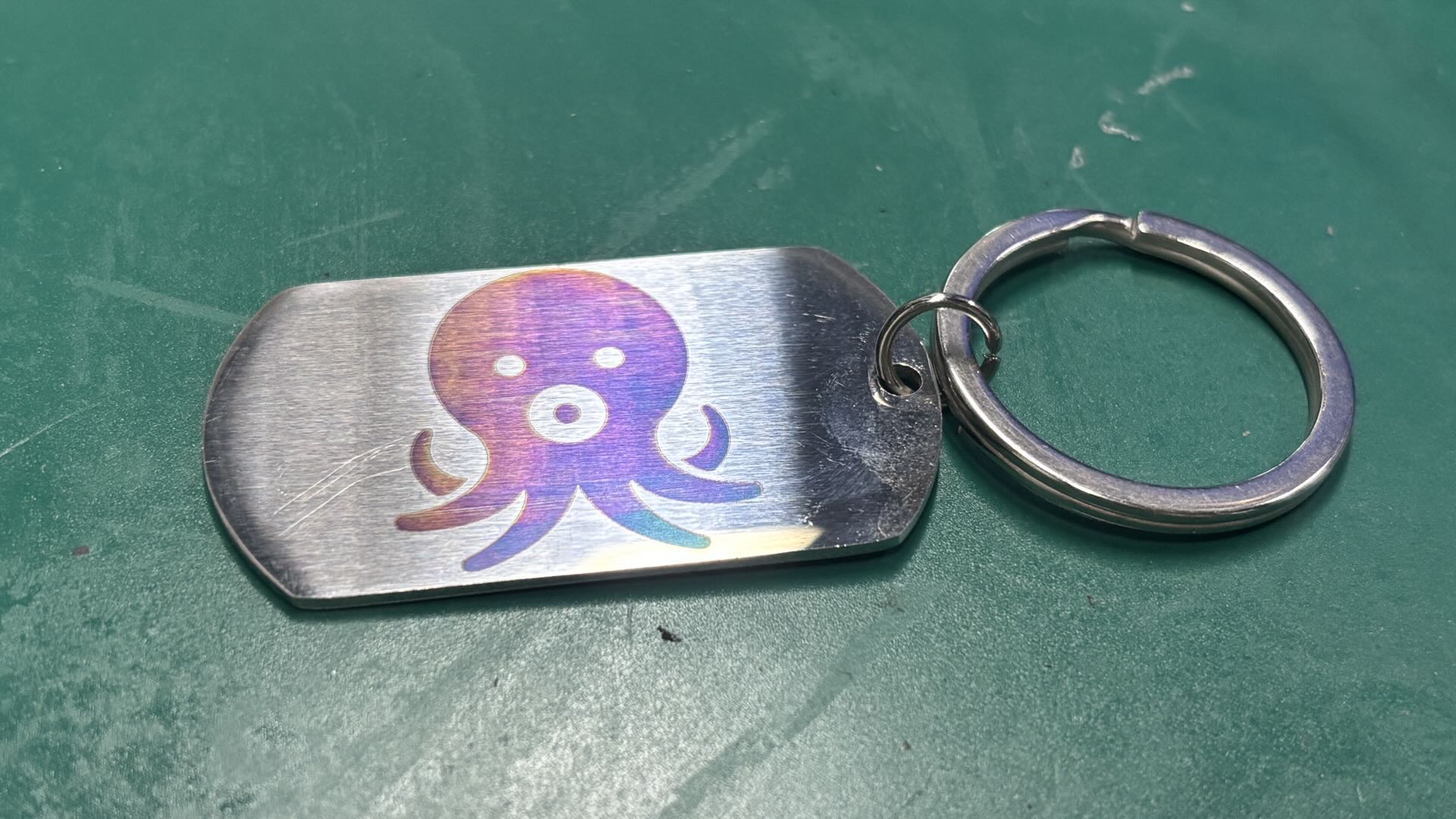
Before Oxidation.
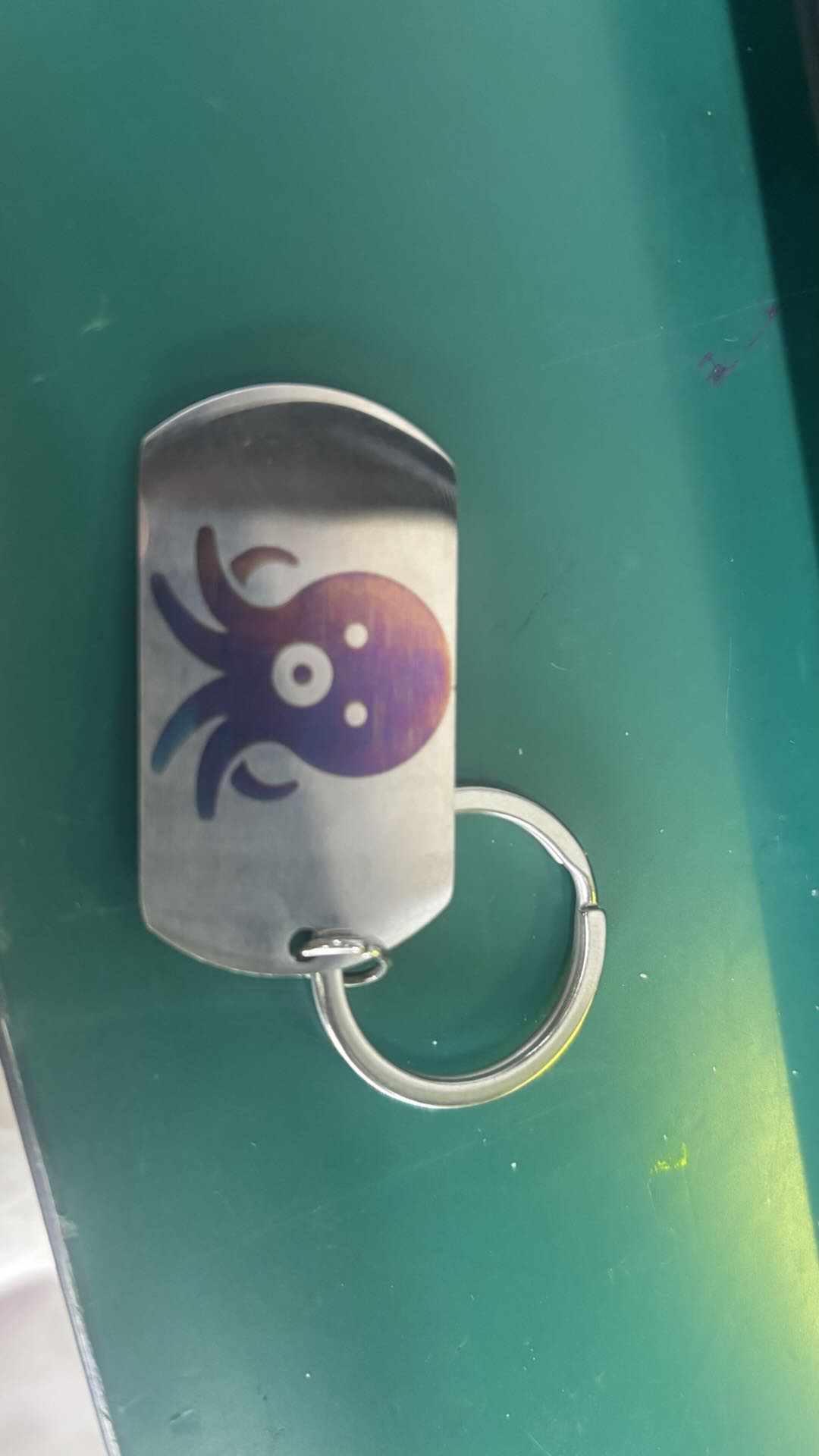
After Oxidation.
Color fading occurs because the oxide film on the metal surface is worn or corroded. Long-term exposure to friction, high temperatures, or high humidity can gradually erode the oxide film, causing the color to darken or become uneven.
2.3 Darkening of Engraved Areas
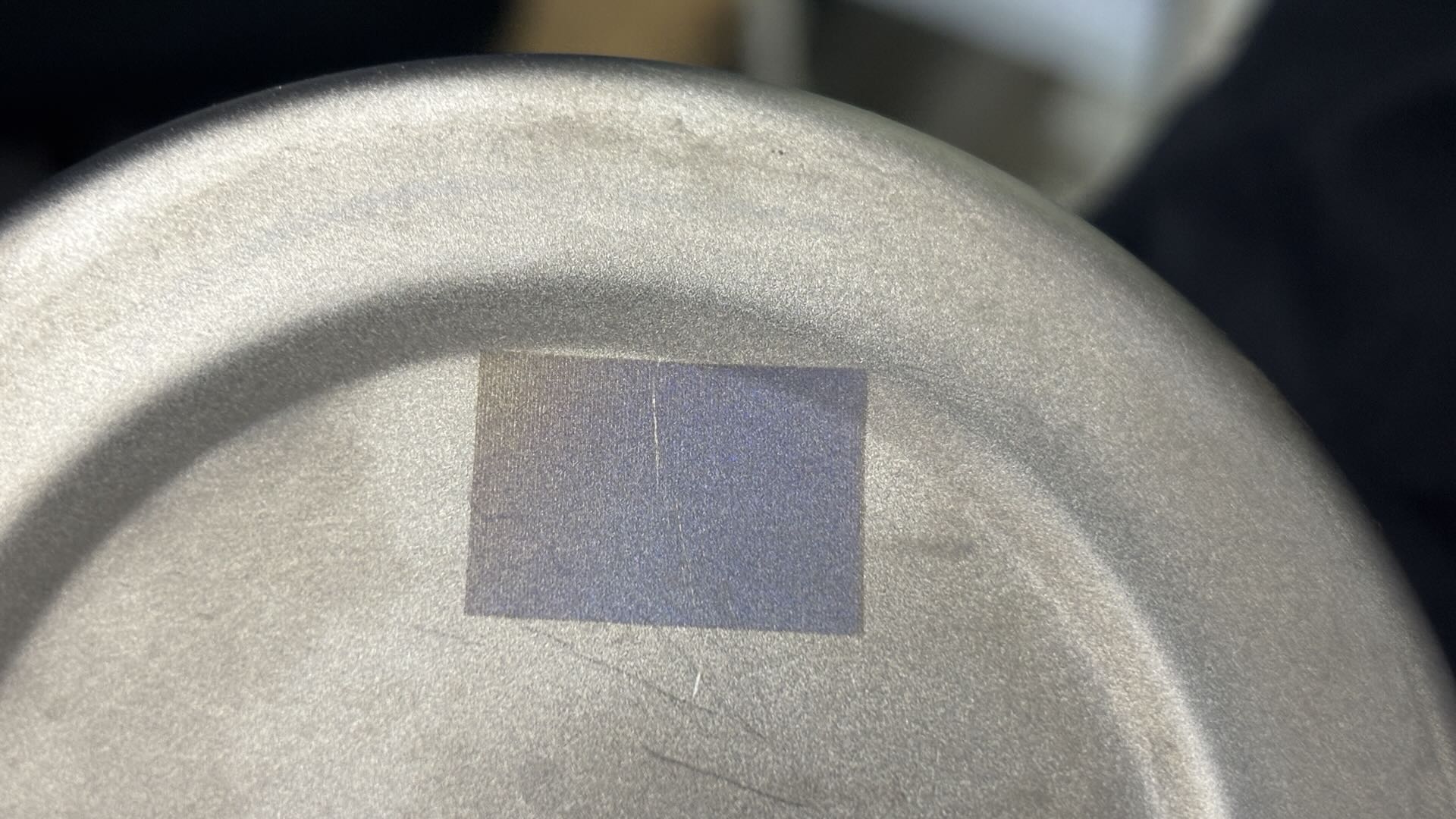
Before Oxidation.
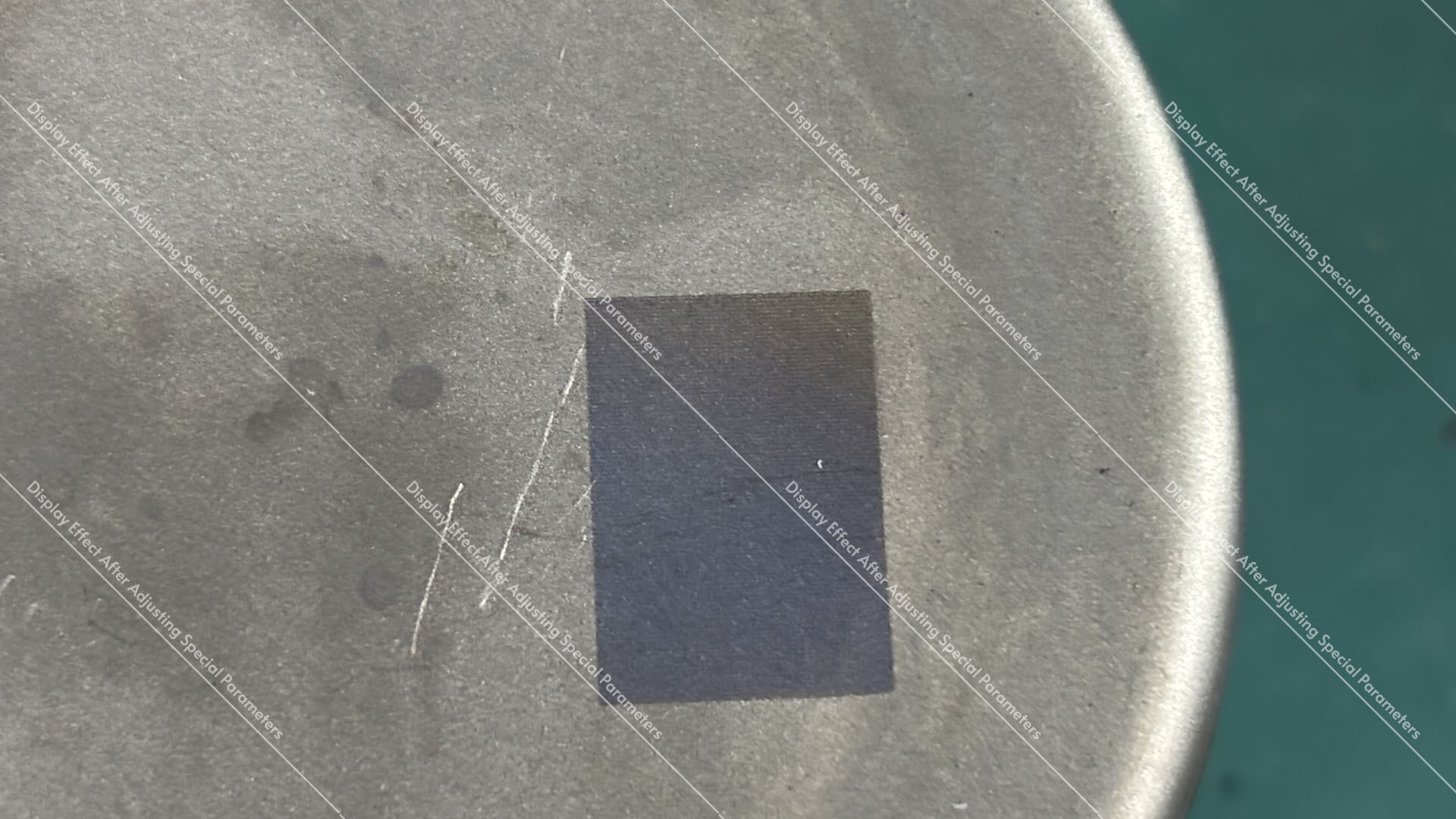
After Oxidation.
Engraved areas may appear darker due to surface contamination and accelerated oxidation. Dust, oil, and moisture from the air can accumulate on the engraved surface, blocking light reflection and making the color look dull.
3. Metal Maintenance
3.1 Avoid Friction
Avoid Frequent Touching With Hands Or Rubbing With Sharp Or Hard Objects On The Engraved Area To Minimize Oxide Film Wear.
3.2 Regular Wiping
Periodically Wipe The Surface With A Dry Soft Cloth To Remove Dust And Oil, Preventing Accumulation Of Contaminants.
3.3 Apply Protective Coating
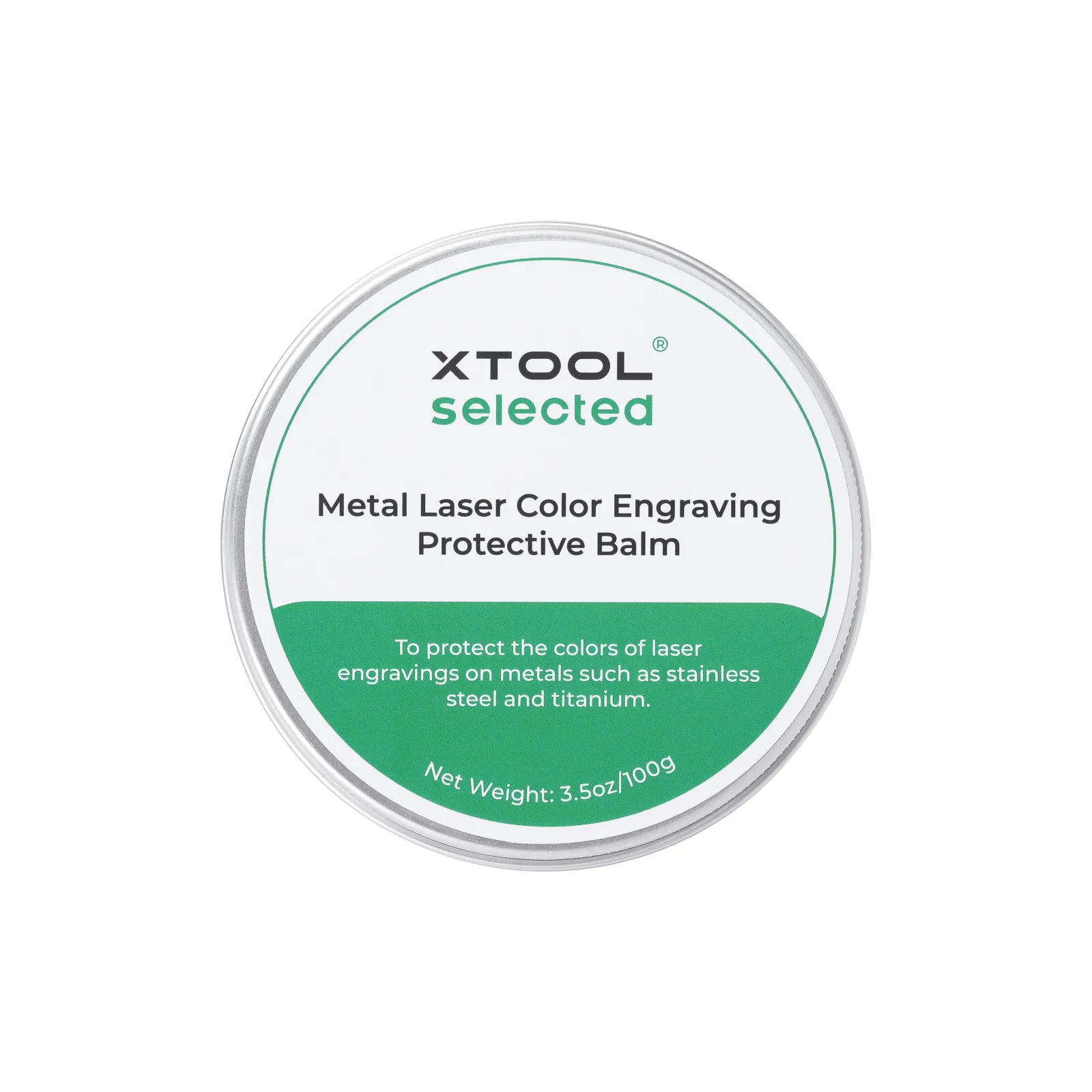
If Used Outdoors Or In Humid Environments, Spray A Layer Of Transparent, Non-Corrosive Protective Coating (Metal Laser Color Engraving Protective Balm) On The Engraved Surface To Isolate Oxygen And Moisture.

Services & Help
Learn & Education

Copyright © 2025 xTool All Rights Reserved.