
1. Metal
1.1 Metal Contamination Effect
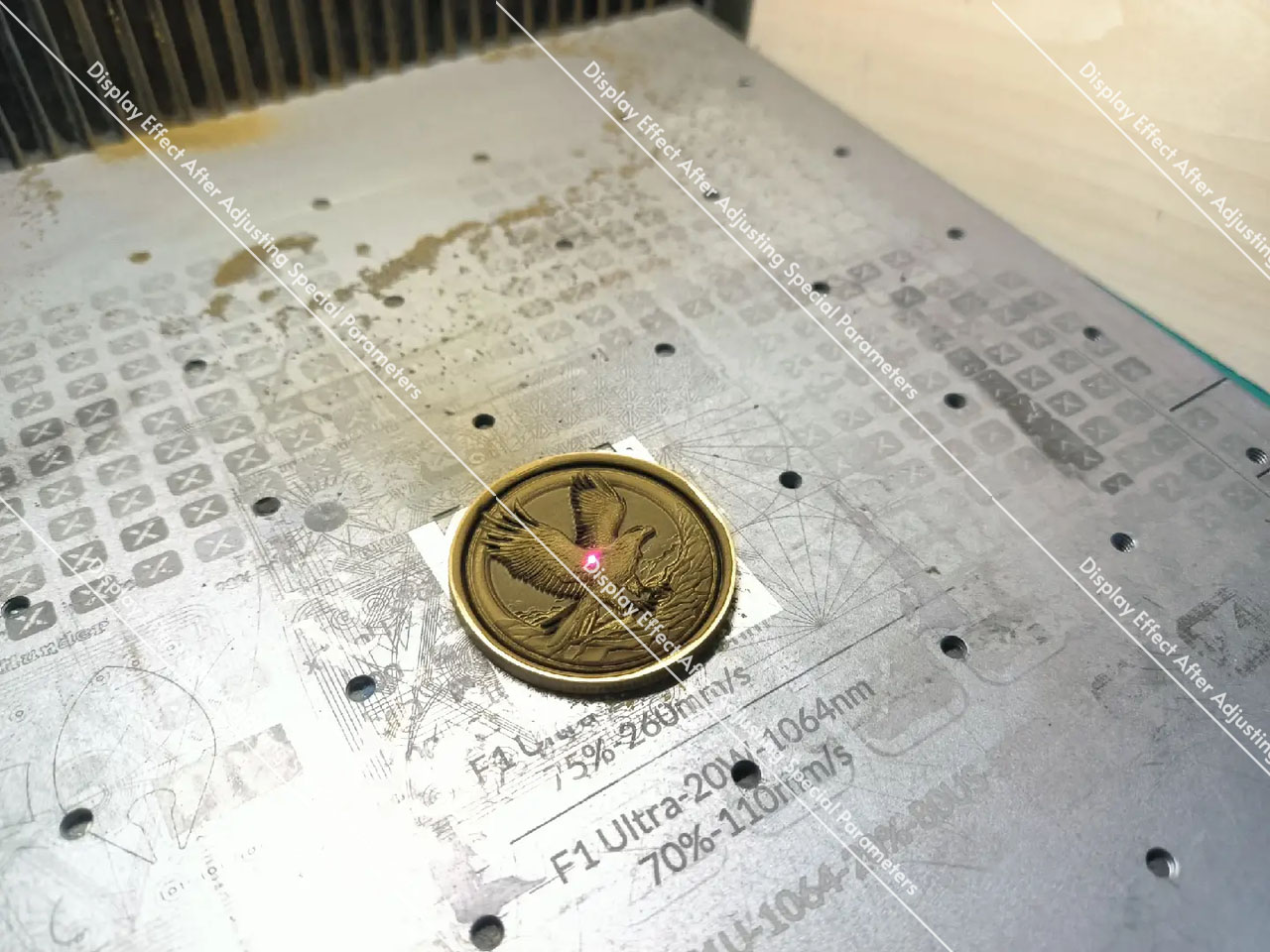
After processing, the surface of the metal material will be covered with a layer of metallic dust, and some oxides generated during the machining process will also remain on the surface.
1.2 Cleaning Tools
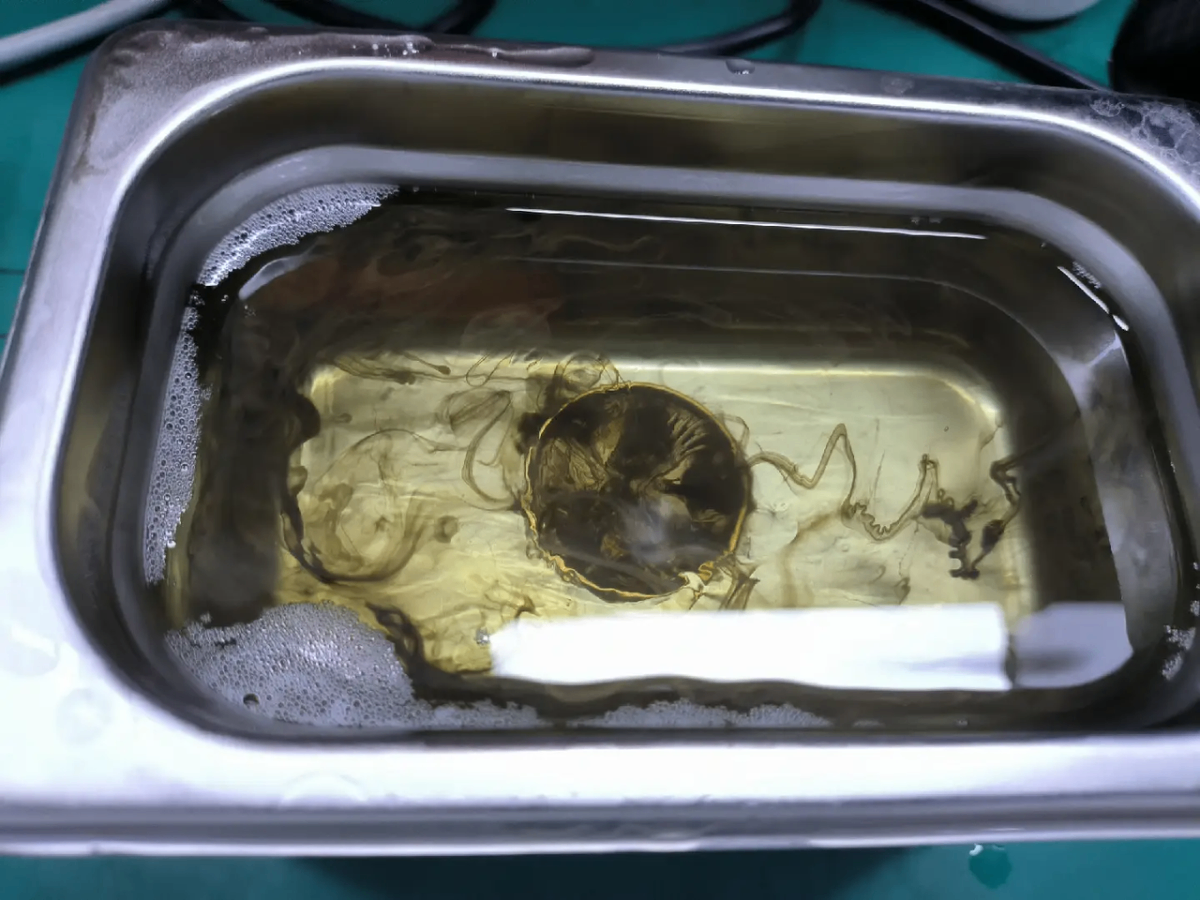
Use an ultrasonic cleaner to remove impurities from the surface of the material.
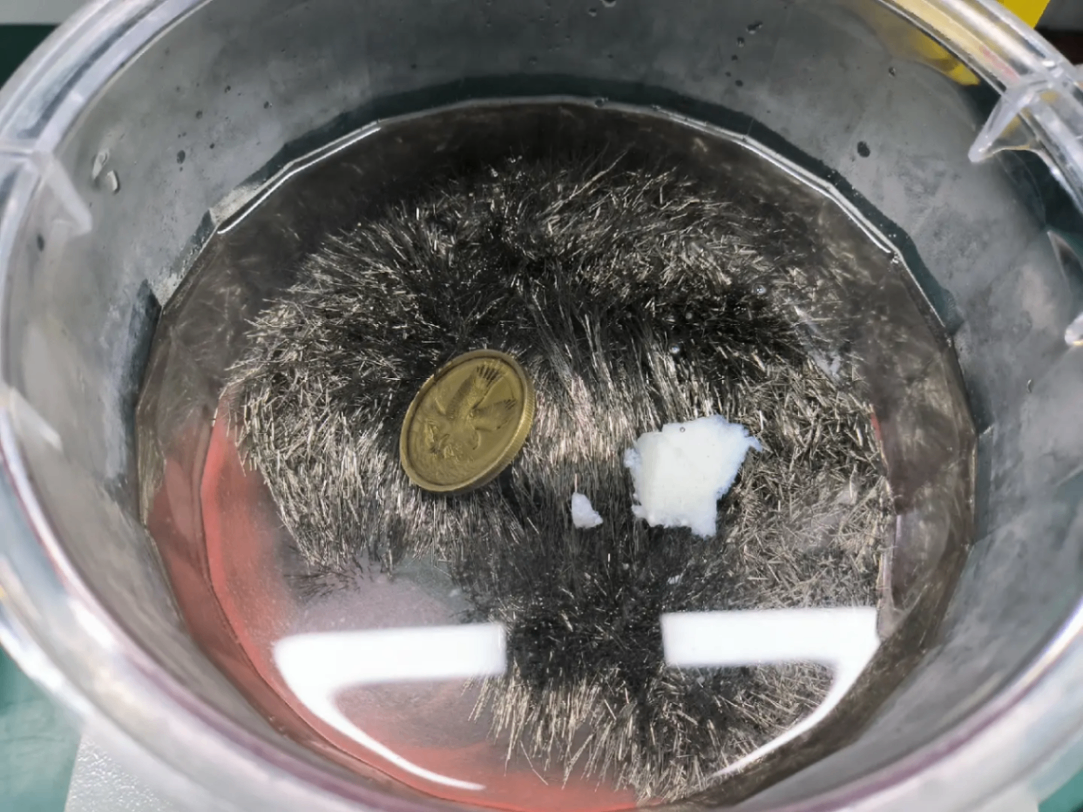
Use a magnetic cleaner to clean the material, effectively removing oxides and other substances from the surface.
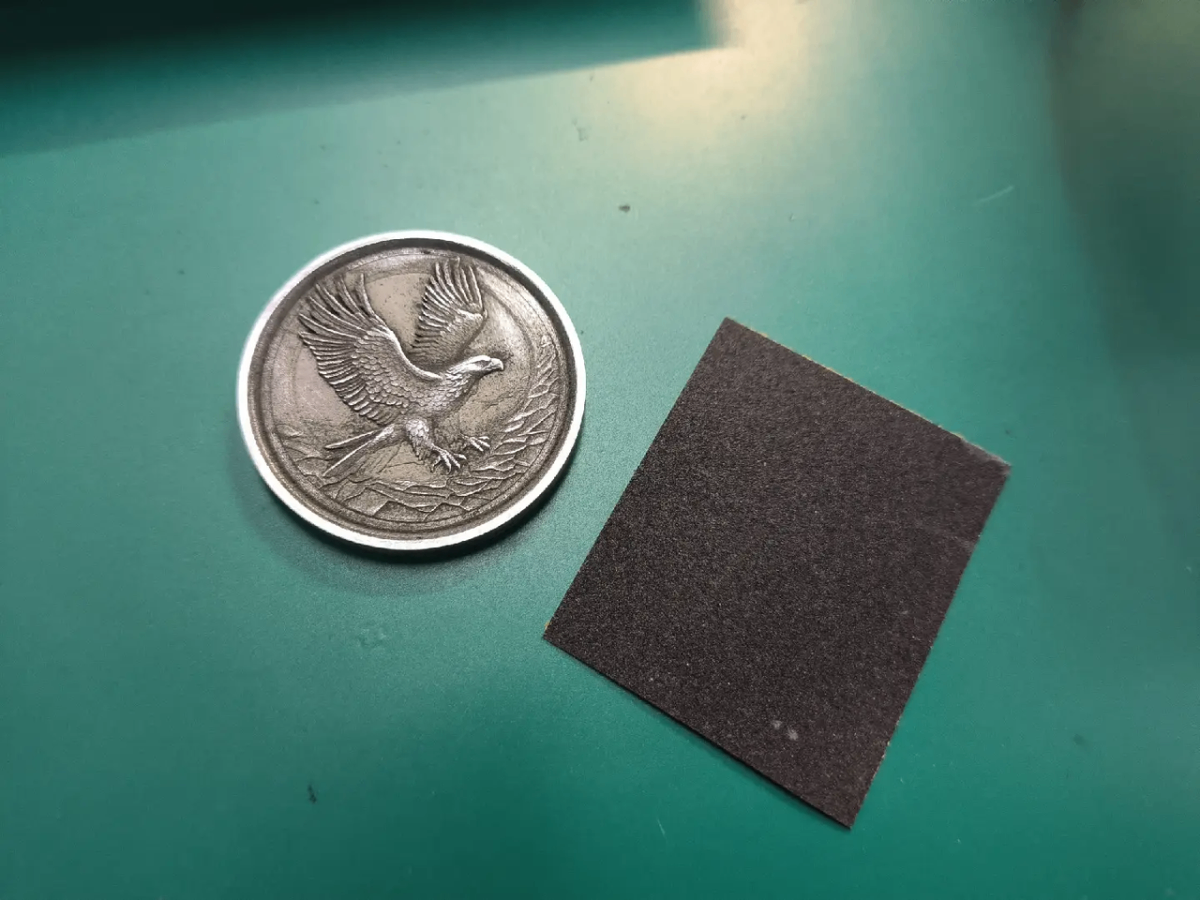
Sandpaper can be used to clean oxides from the processed surface of the material.
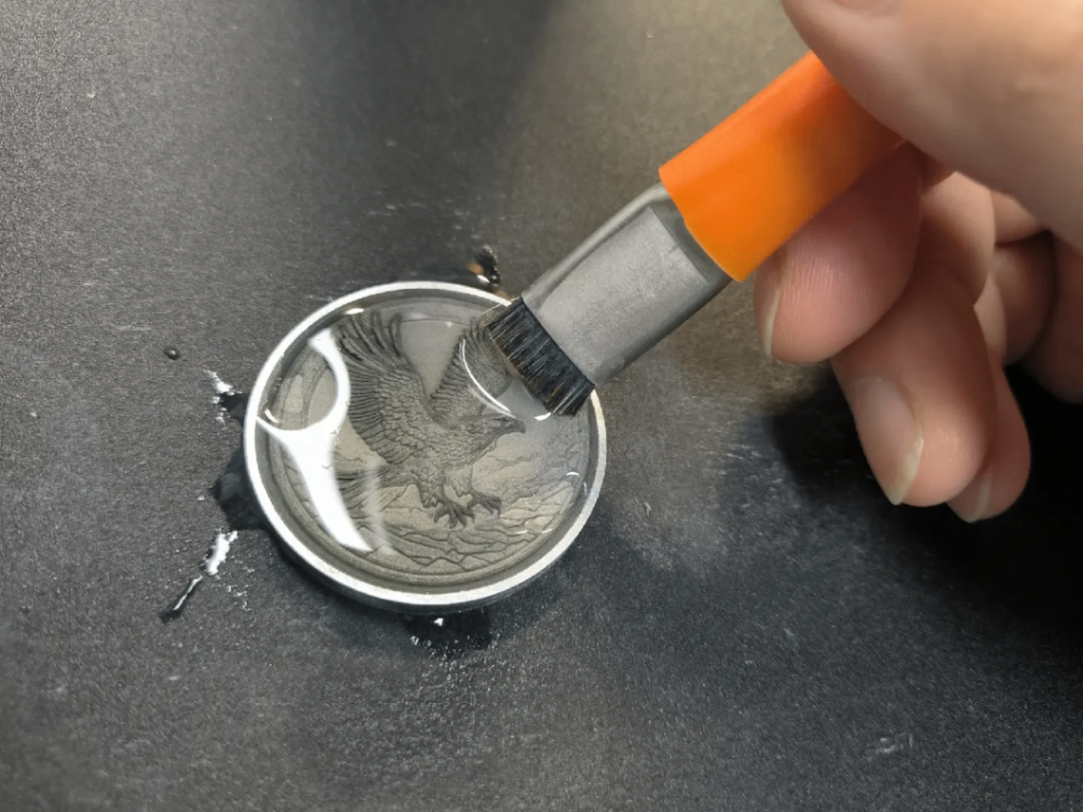
The dust on the material’s surface after processing can be cleaned using water or alcohol in combination with a stiff-bristled brush.
2. Tumbler
2.1 Tumbler Contamination Effect
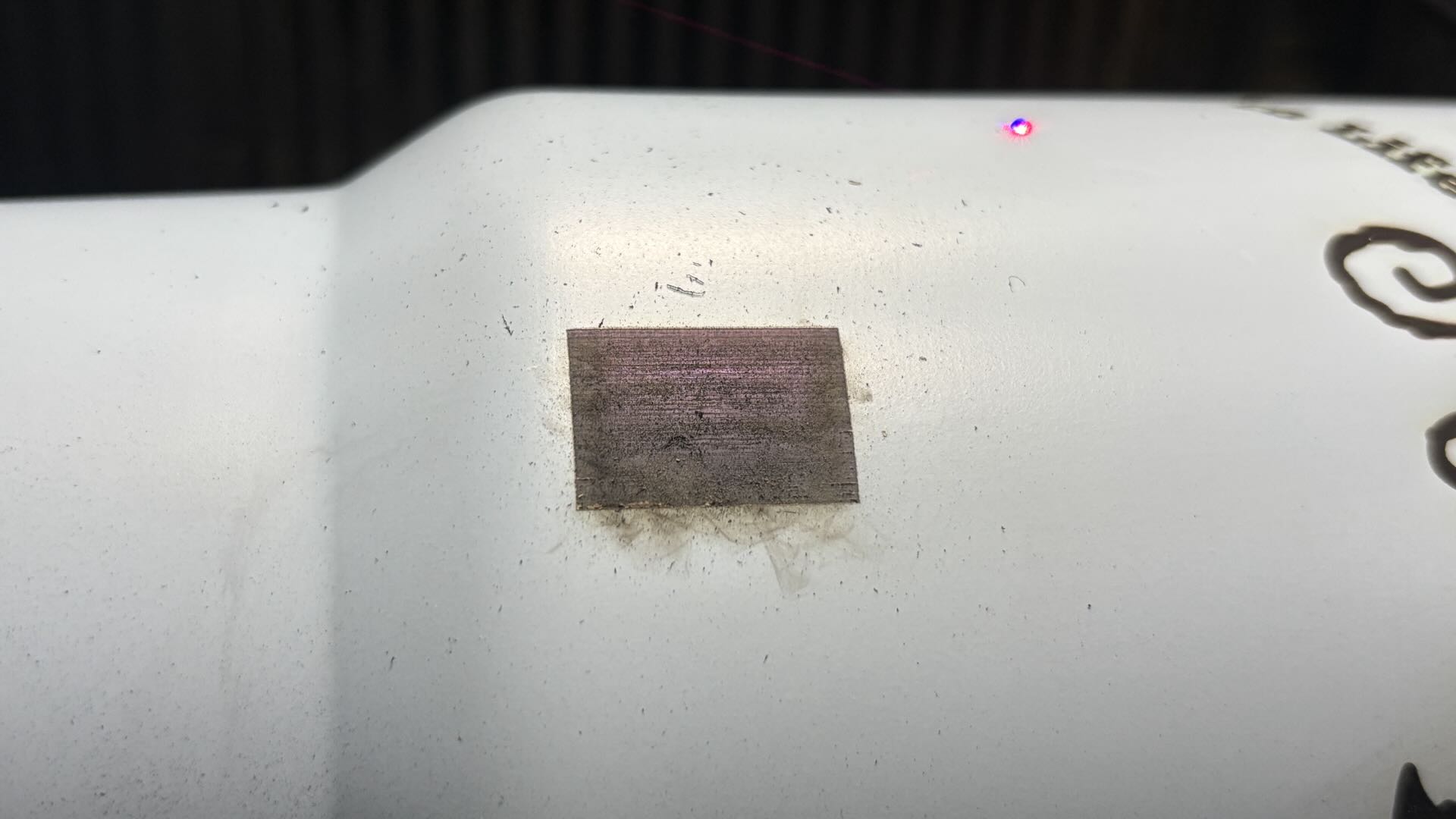
During Processing, The Engraved Area Of The Tumbler May Produce Dust Or Solid Residues From The Vaporized Surface Material.
2.2 Cleaning Tools
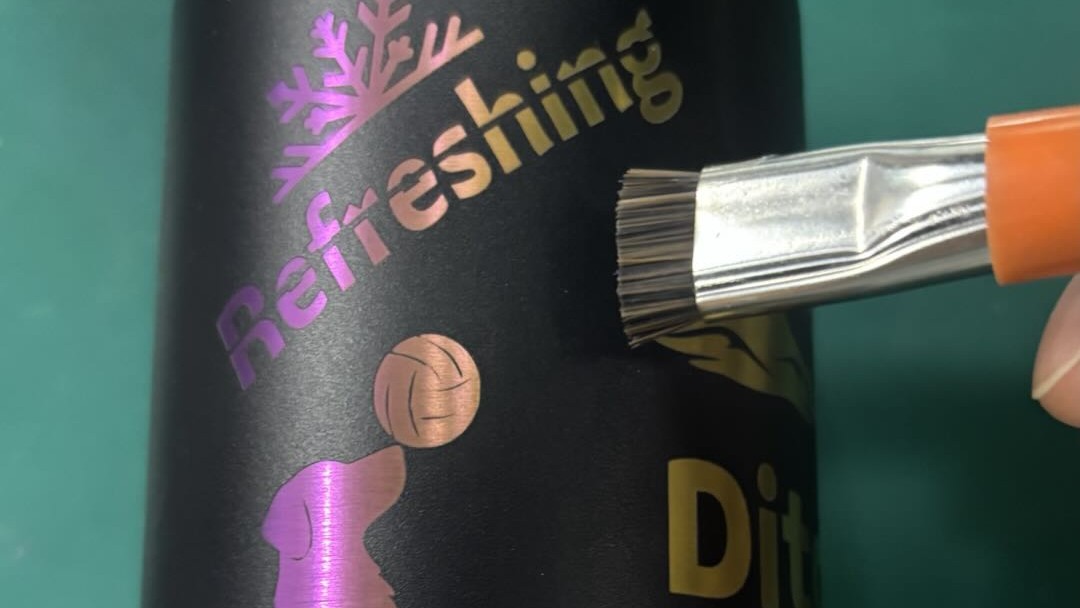
A Hard-Bristle Brush Can Remove Most Of The Dust And Solid Residues. It Can Be Used Together With Water And Alcohol, As Alcohol Helps Remove Residues Adhering To The Metal Surface.
3. Silicone
3.1 Silicone Contamination Effect

After Laser Engraving, Solid Residue from Vaporization Remains on the Surface of the Silicone.
3.2 Cleaning Tools
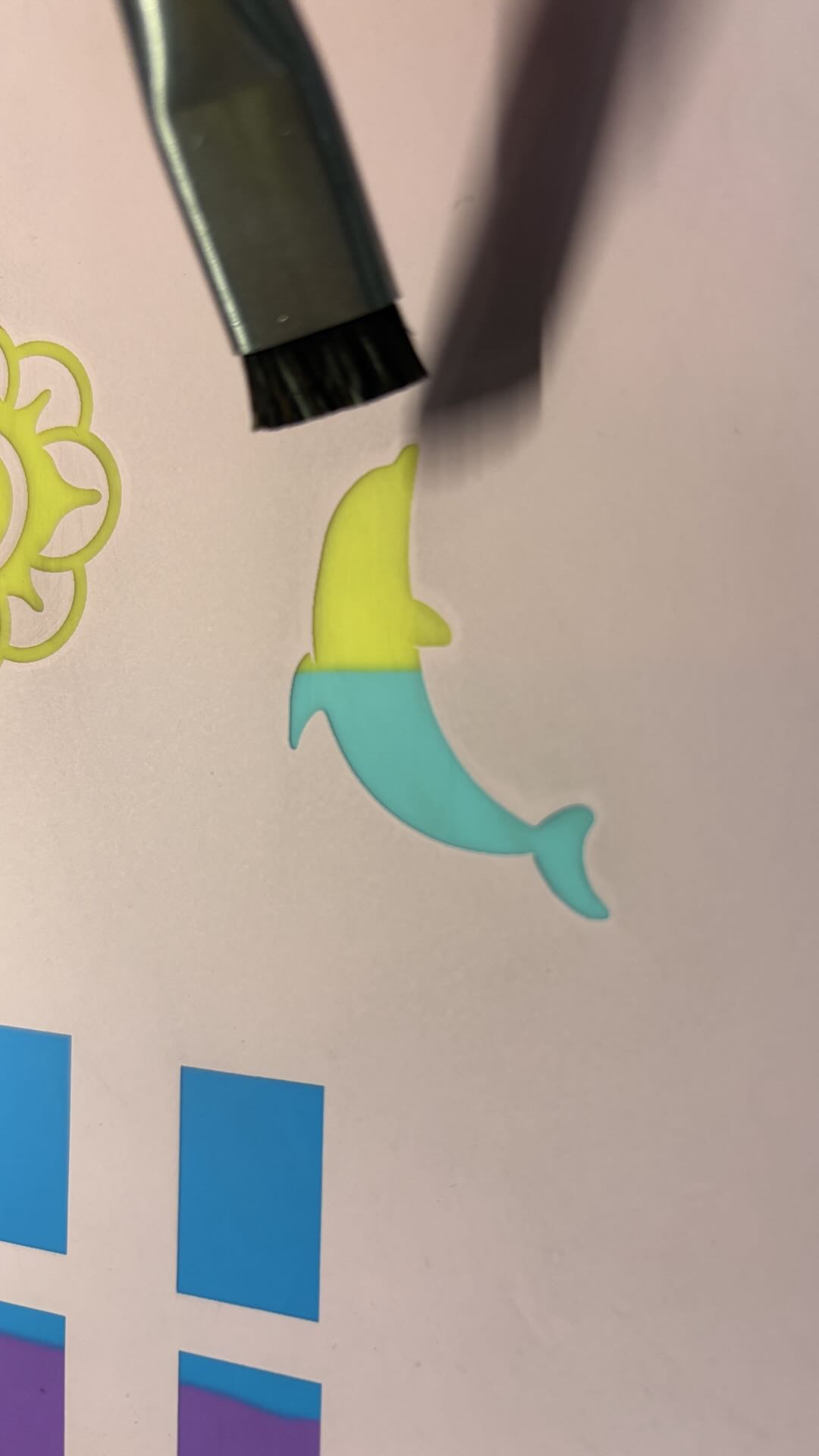
A Brush Can Remove Most of the Dust, but Some Particles May Adhere to the Silicone Surface. Clean the Contaminated Areas with a Cloth Dampened with Water or a Small Amount of Alcohol.
Please Note That Alcohol May Cause Slight Discoloration of the Silicone;Alcohol wiping may cause discoloration of finished silicone because the alcohol dissolves the colorants or coatings on the silicone surface. The fading material mainly consists of surface dyes, pigments, or protective coatings, not the silicone substrate itself. It is recommended to use a cleaner specifically recommended for this type of silicone to clean the surface.
4. Stamp Materials
4.1 Rubber and Silicone Effect
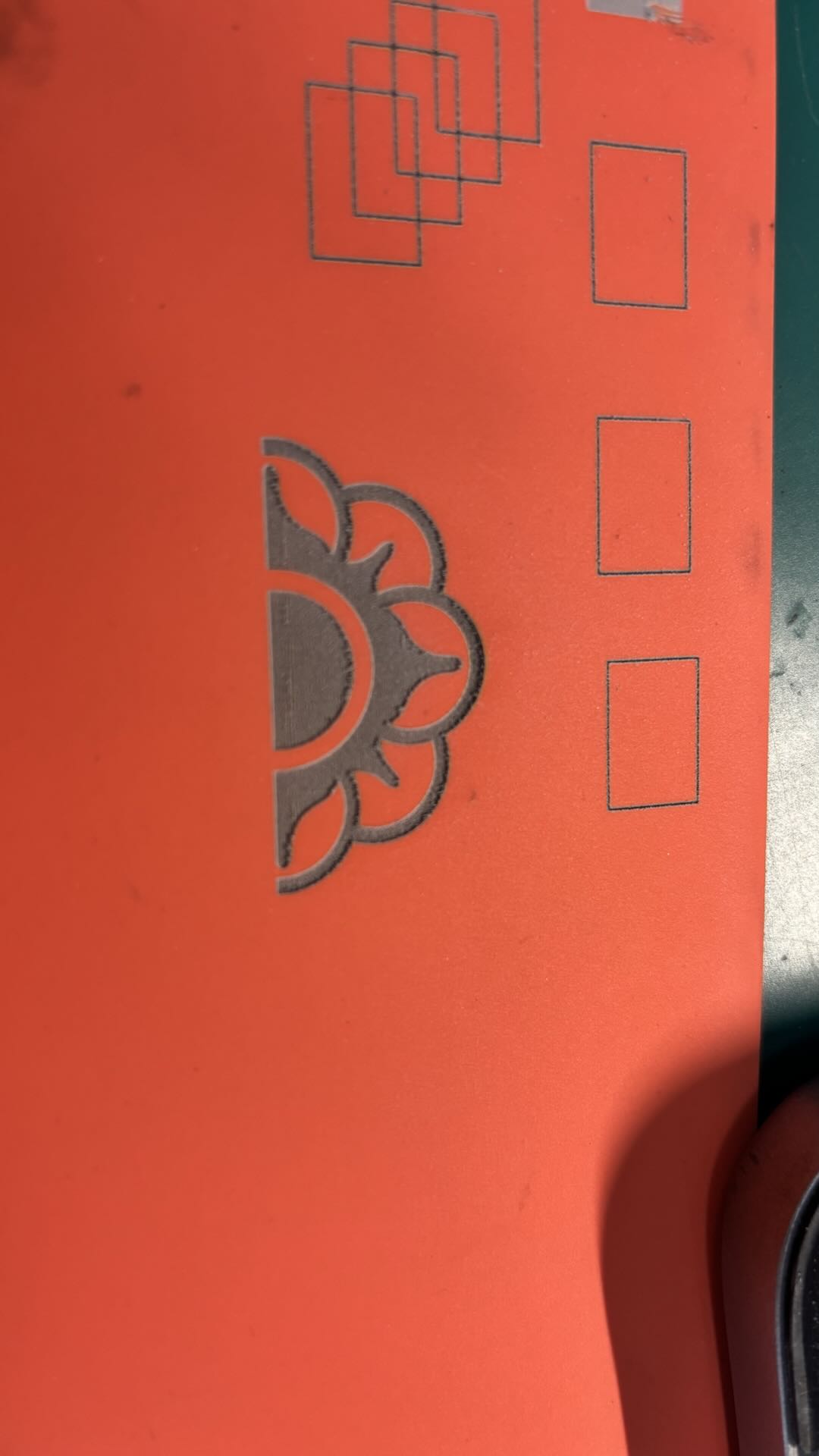
The Rubber Surface Material, After Being Processed By Laser, Leaves Solid Residue From The Vaporization Reaction, Covering The Processed Area.
4.2 Cleaning Tools
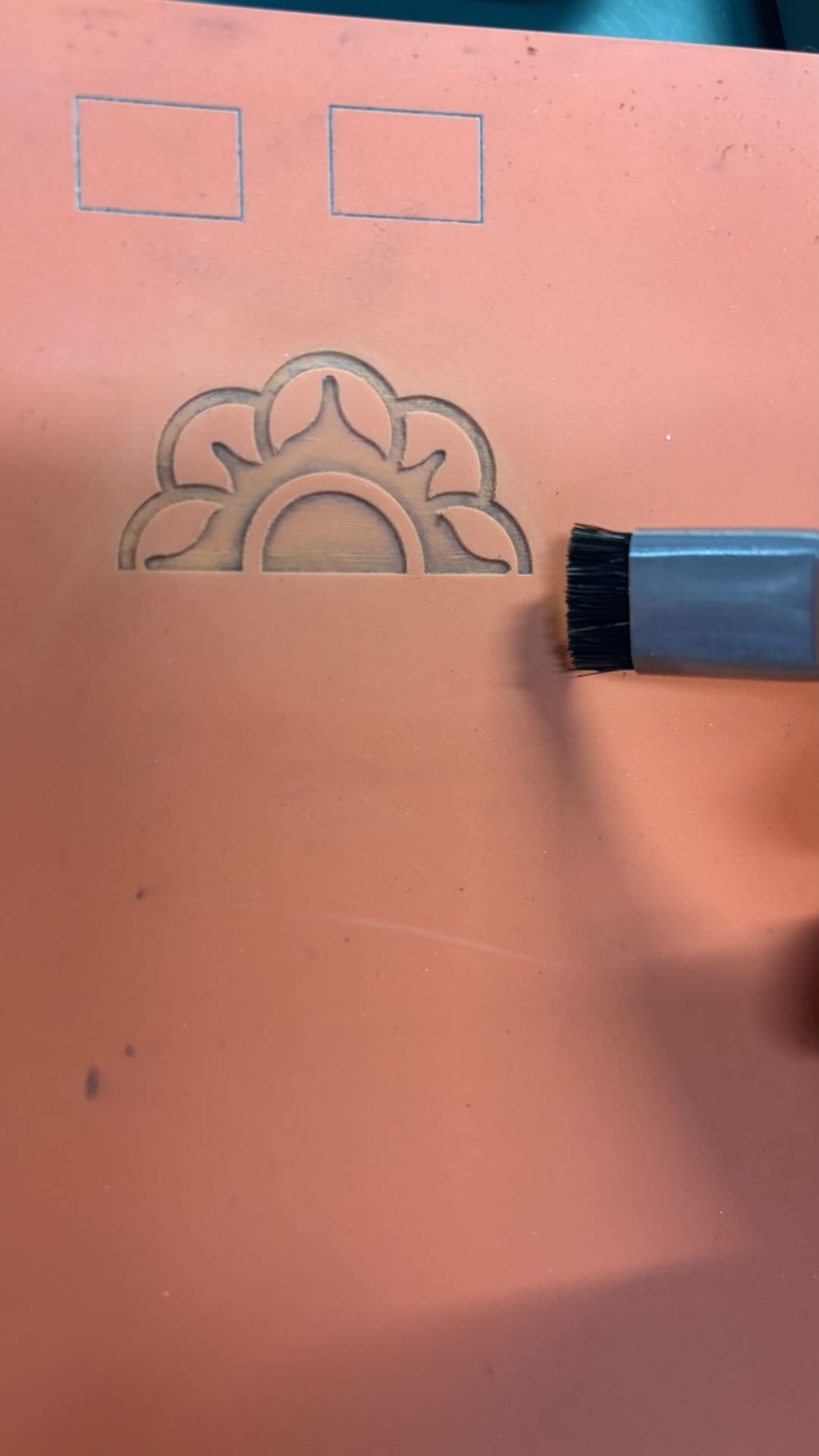
Use A Stiff Brush To Remove The Solid Residue Covering The Area.
5. Wood Board
5.1 Basswood Contamination Effect
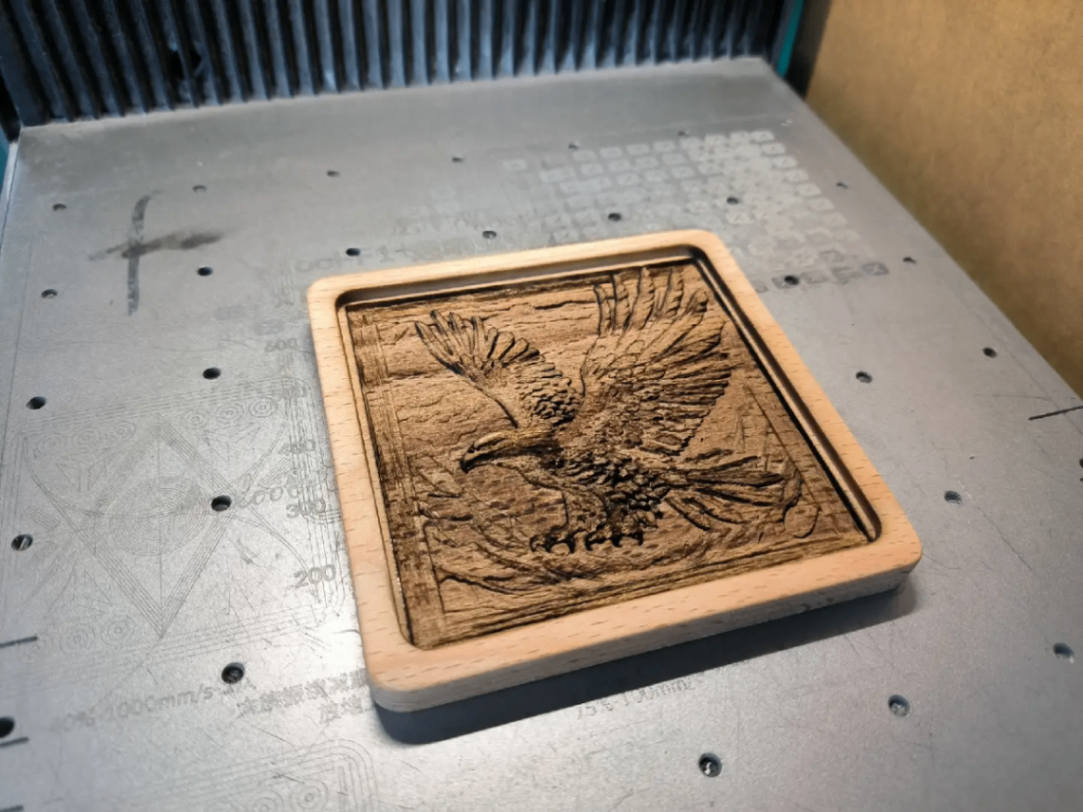
After Processing, The Surface Of The Wood Board Produces Dust Such As Cellulose Residue And Other Substances.
5.2 Cleaning Tools
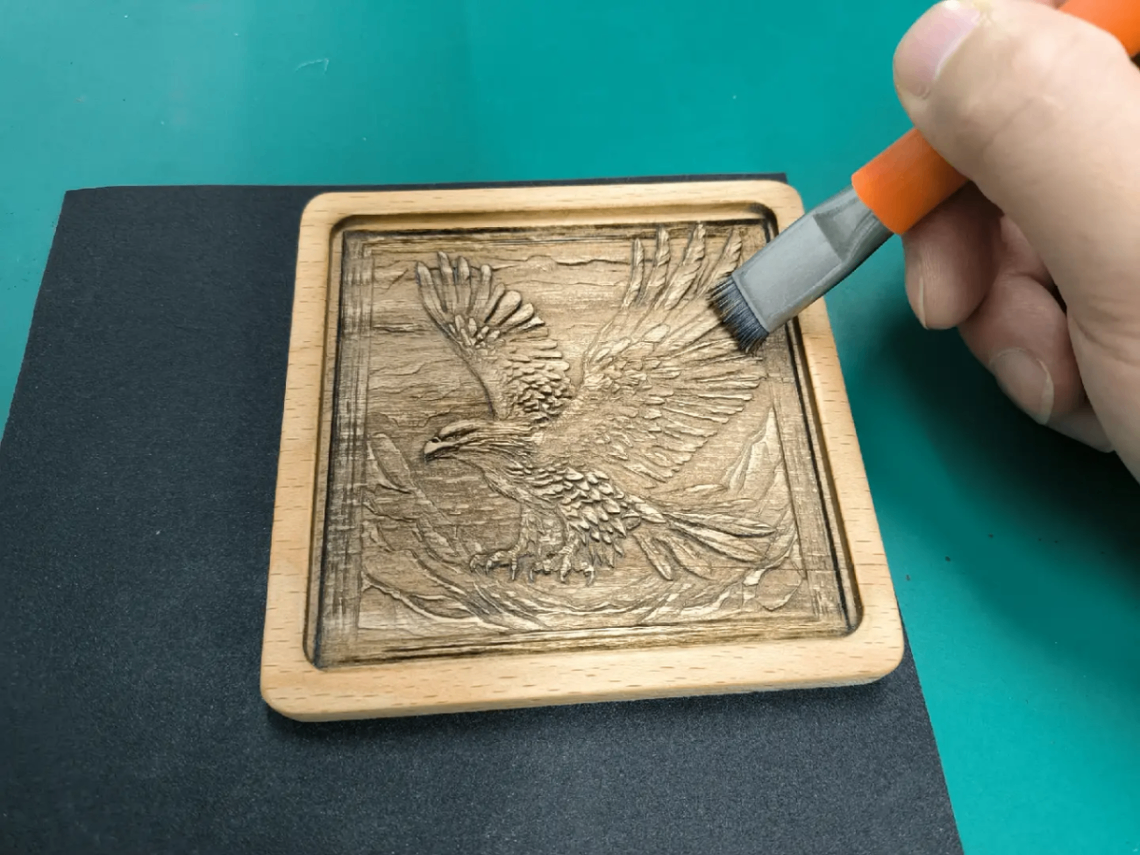
Both Soft Brushes And Hard Brushes Can Be Used To Clean The Processed Areas On The Wood Board Surface. When Used Together With An Air Compressor, The Surface Residue Can Be Effectively Removed.
6.Stone Materials
6.1 Rock Surface Contamination Effect
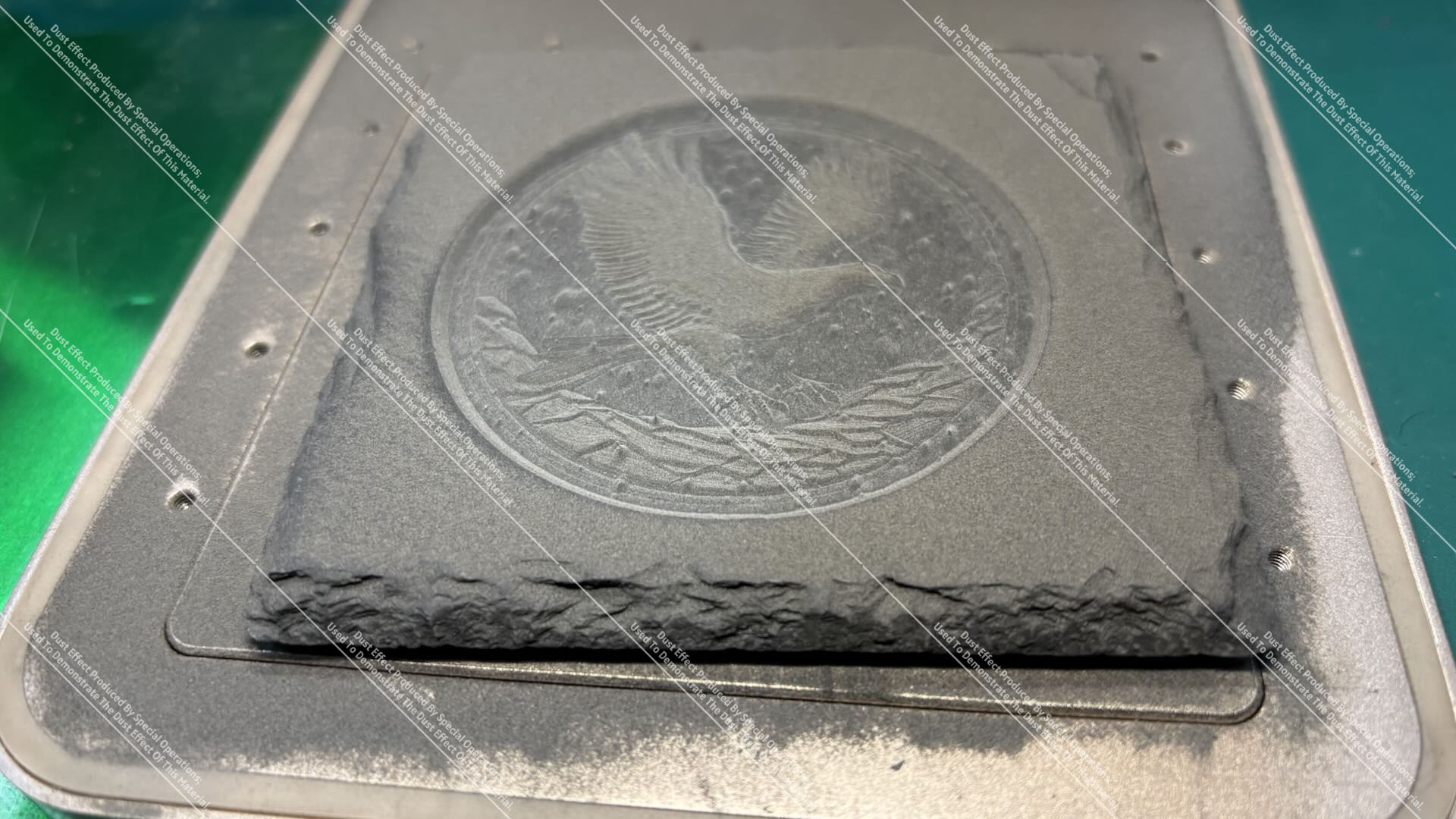
During Deep Processing, Stone Materials Generate Dust.
6.2 Cleaning Tools
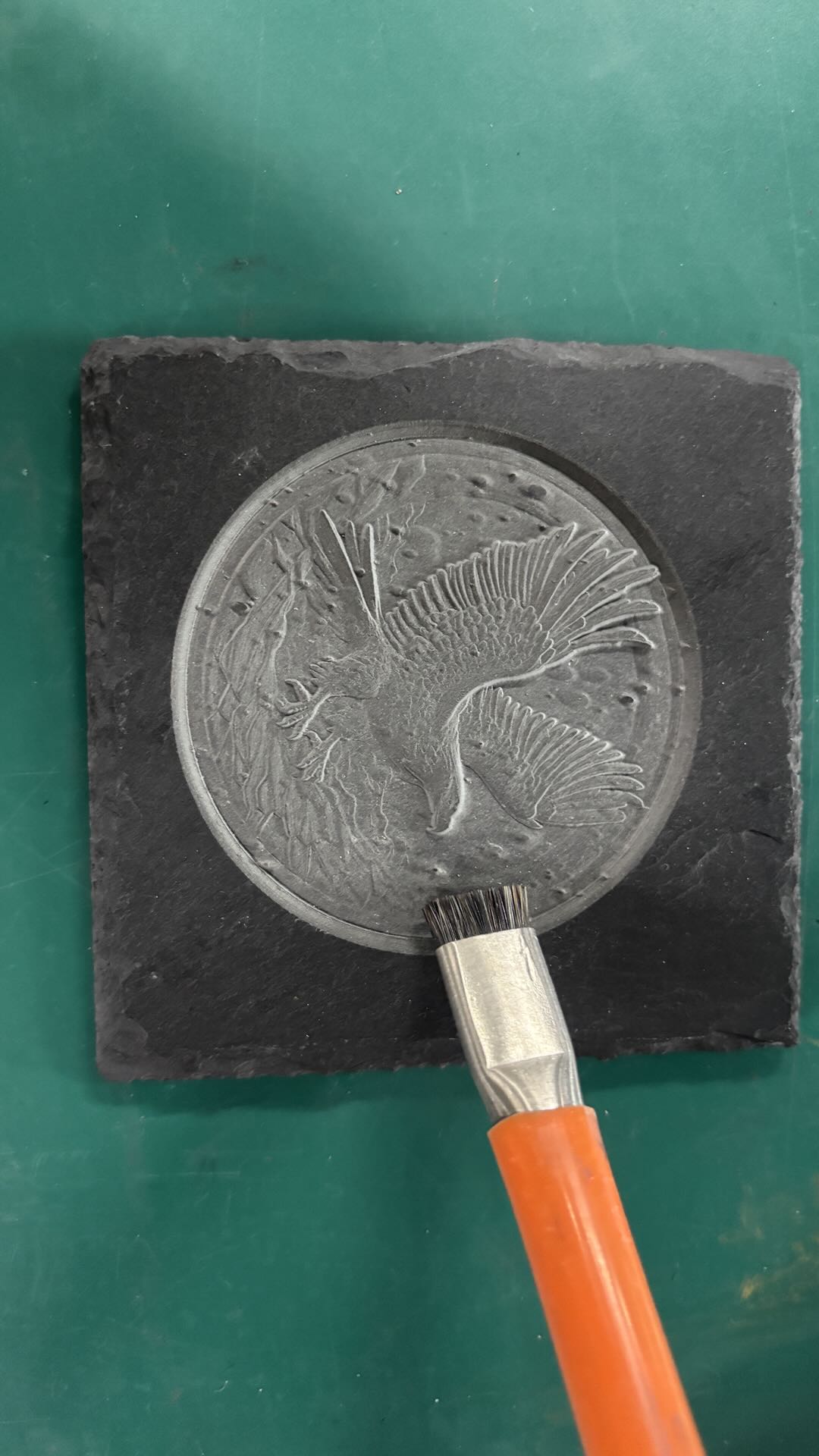
A Hard-Bristle Brush Can Remove Dust Generated During Rock Processing. When Used Together With An Air-Compress Assist, It Can Effectively Clean The Dust From The Rock Surface.

Services & Help
Learn & Community

Copyright © 2025 xTool All Rights Reserved.