1. Processing Environment Setup
1.1 Connected To The Outdoors
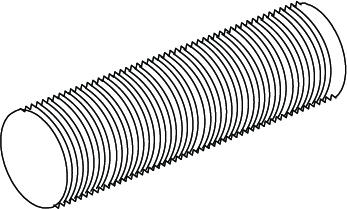
Smoke Exhaust Pipe Connected Outdoors:
When installing the device, it can be placed near a wall or window. Before processing, extend the Smoke Exhaust Pipe from the exhaust outlet of the device to the outside through the window. This allows the gas and dust generated during processing to be discharged directly outdoors, preventing them from affecting indoor air quality.
When exhausting processing waste gases through ducting, if the exhaust efficiency is insufficient due to an excessively long duct or heavy smoke generation, it is recommended to use the SafetyPro™ IF2 2.0 / IF2 Hyper Flow Inline Duct Fan to assist in rapid ventilation.
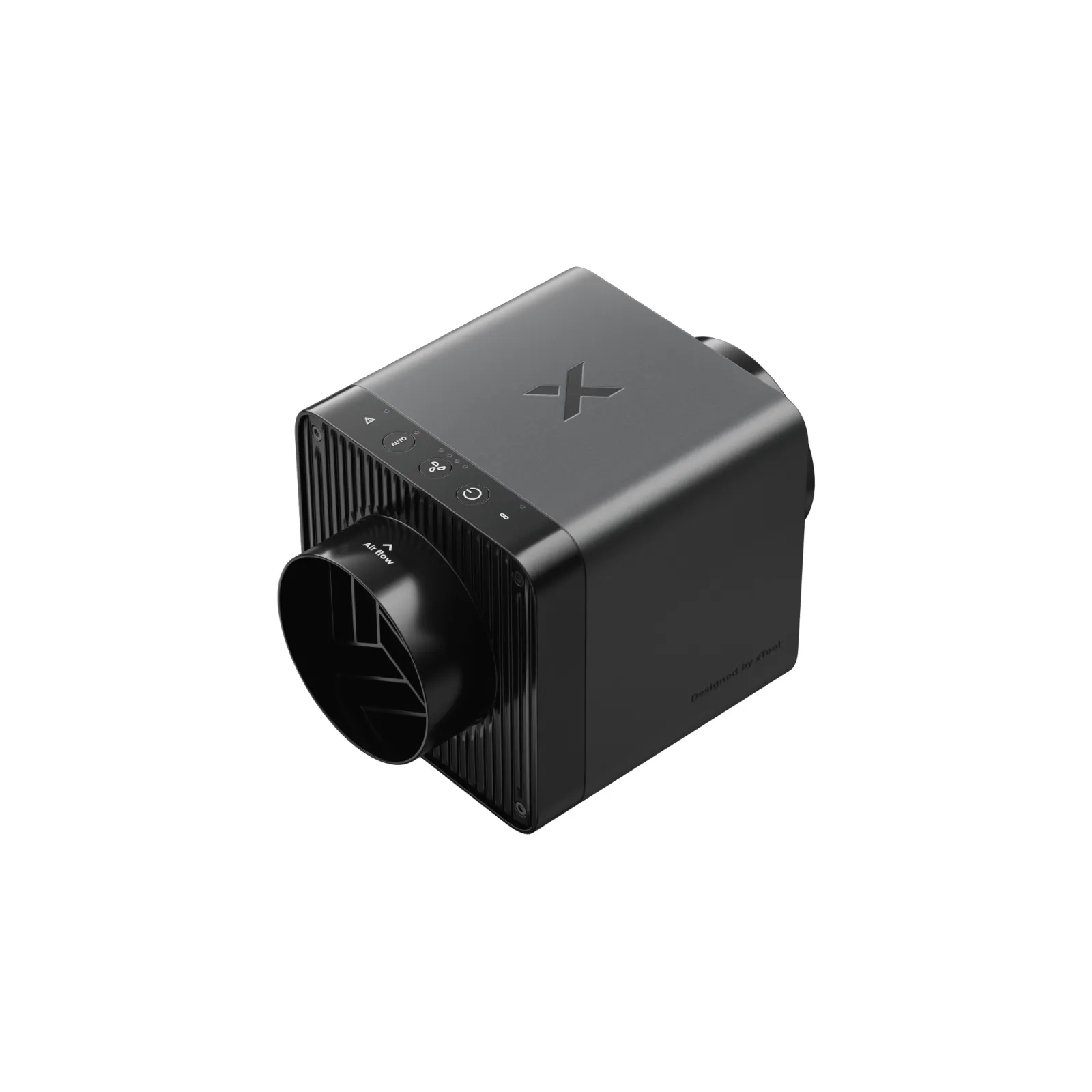
Note: Please adjust the gas and dust exhaust method according to local regulations.
1.2 Enclosed Indoor Environment
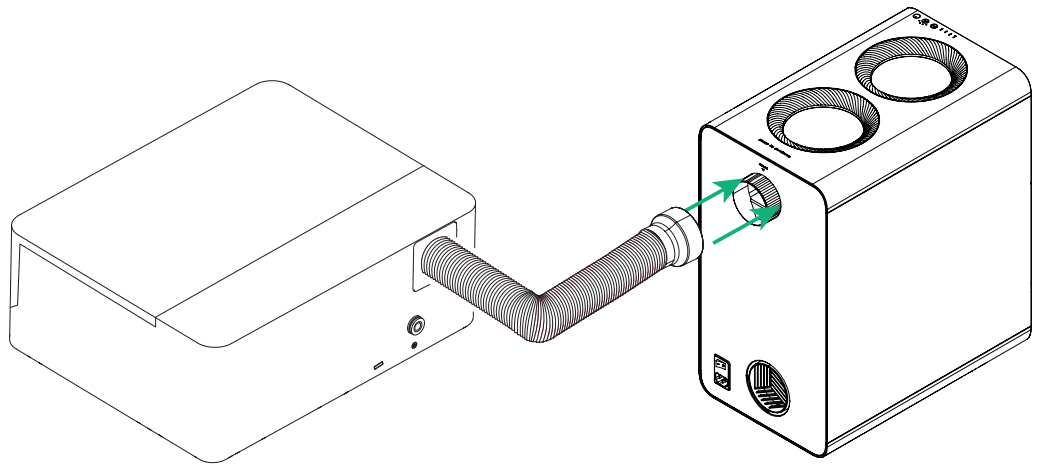
One end of the Smoke Exhaust Pipe is connected to the device, and the other end is connected to the Air Purifier. The Air Purifier can absorb the gas and dust generated during the device’s processing.
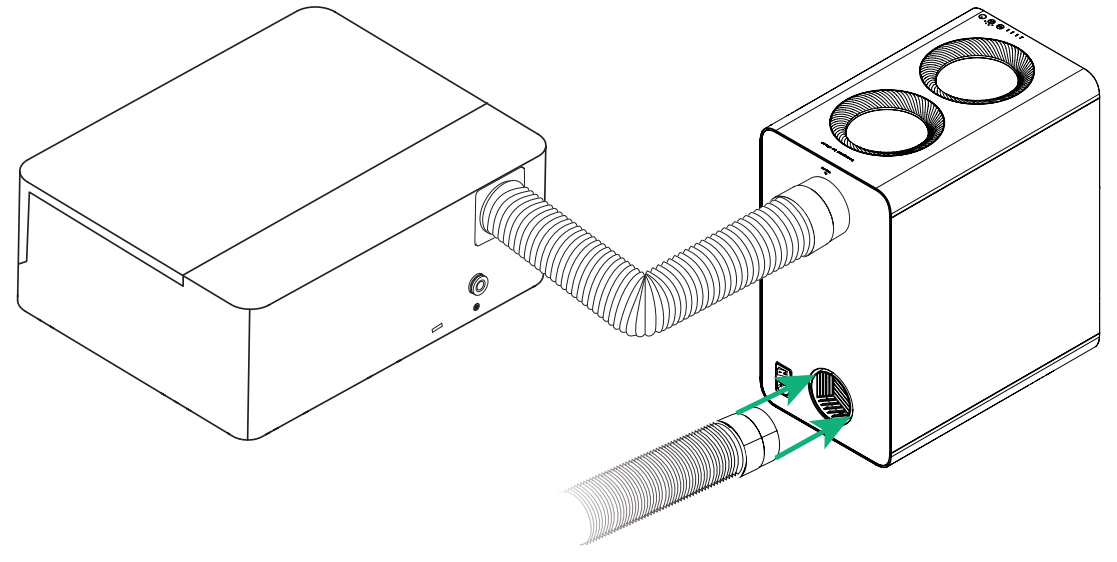
The Air Purifier’s exhaust port can also be connected to a Smoke Exhaust Pipe, which can be extended to a window outside. This ensures that the gas filtered by the Air Purifier is not directly released into the indoor enclosed environment.
1.3 Wearing Protective Equipment
Laser Safety Glasses: Do not open the device protective cover during operation. If there is any exposed laser emission during processing, wear laser safety glasses and cover the exposed laser area with opaque material.
Protective Mask: In a ventilated environment, a standard dust mask can be worn. In relatively enclosed indoor environments, it is recommended to use a half-face protective mask equipped with a gas filter cartridge.
High-Temperature Protective Gloves: When handling processed materials, wear high-temperature protective gloves to avoid burns caused by the heat generated during laser processing.
2. Smoke and Dust Effect of the Material
2.1 Metal Dust Effect
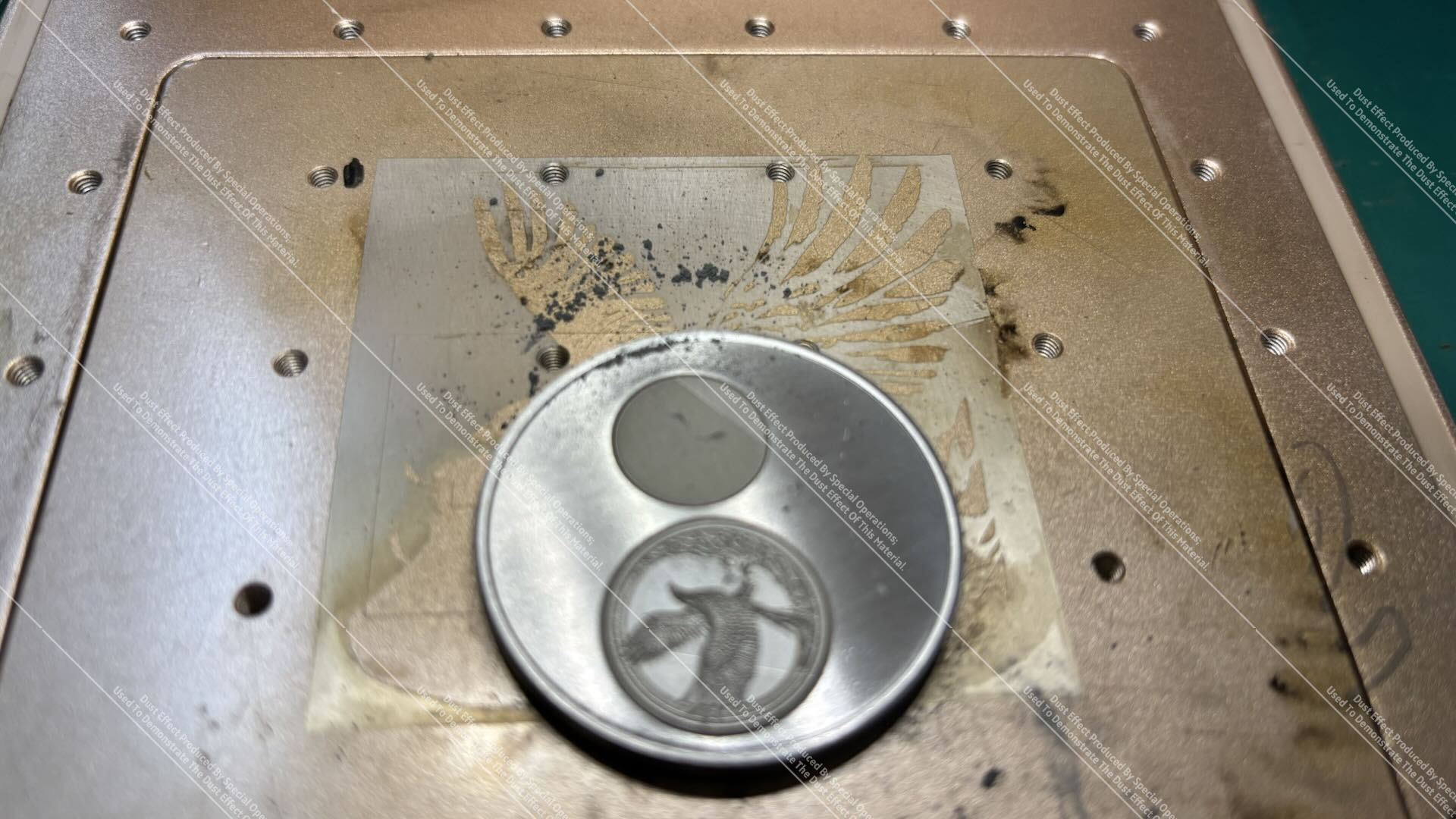
When the Laser Module processes metal materials, metal oxide powder is generated at the processed area. Inhaling a large amount of this powder may result in a noticeable distinctive odor.
2.2 Plywood Smoke Effect
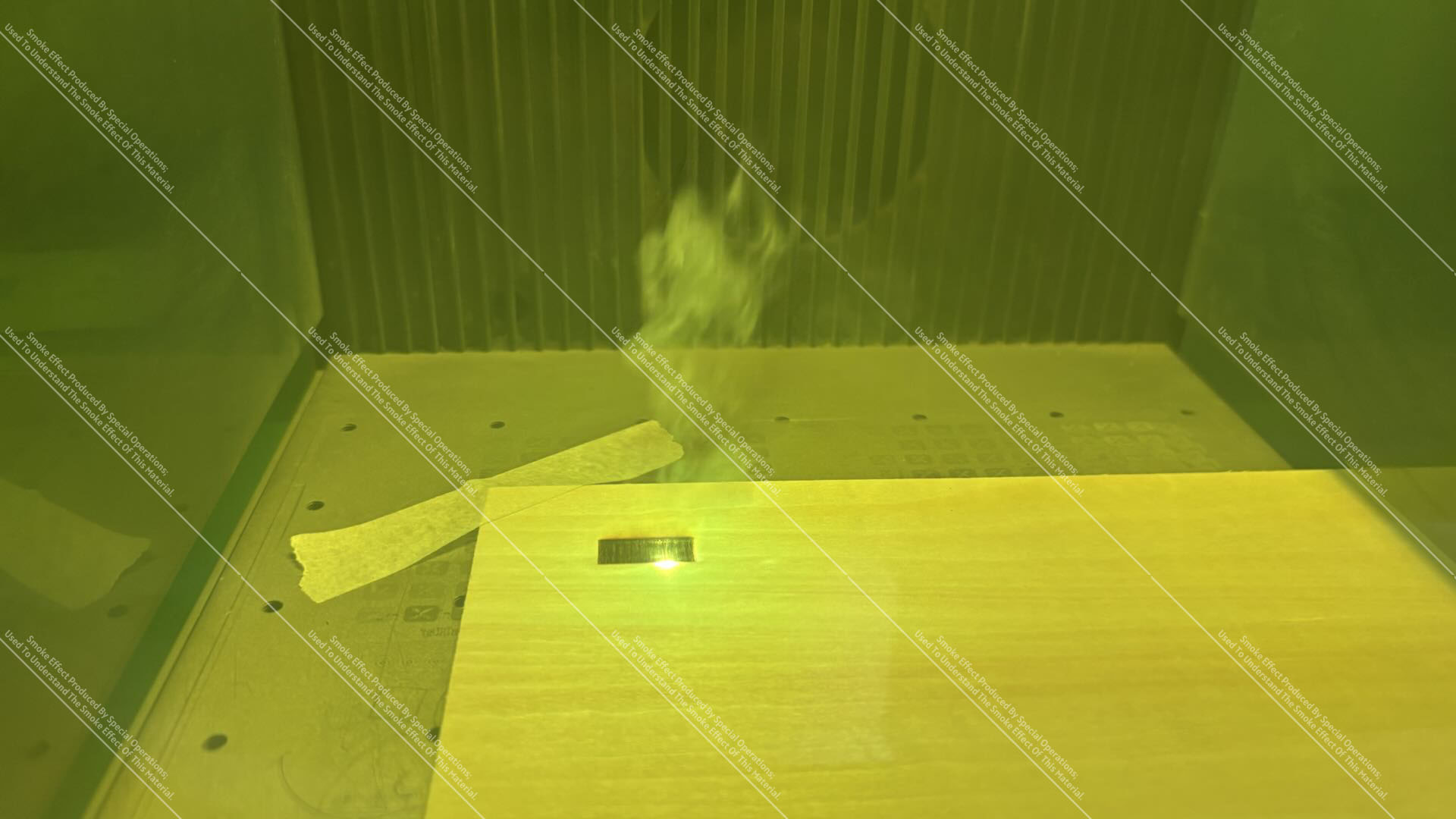
When wooden materials are cut by a laser, volatile organic compounds and ultrafine wood dust may be produced, accompanied by visible smoke.
2.3 Screen Printing Smoke Effect
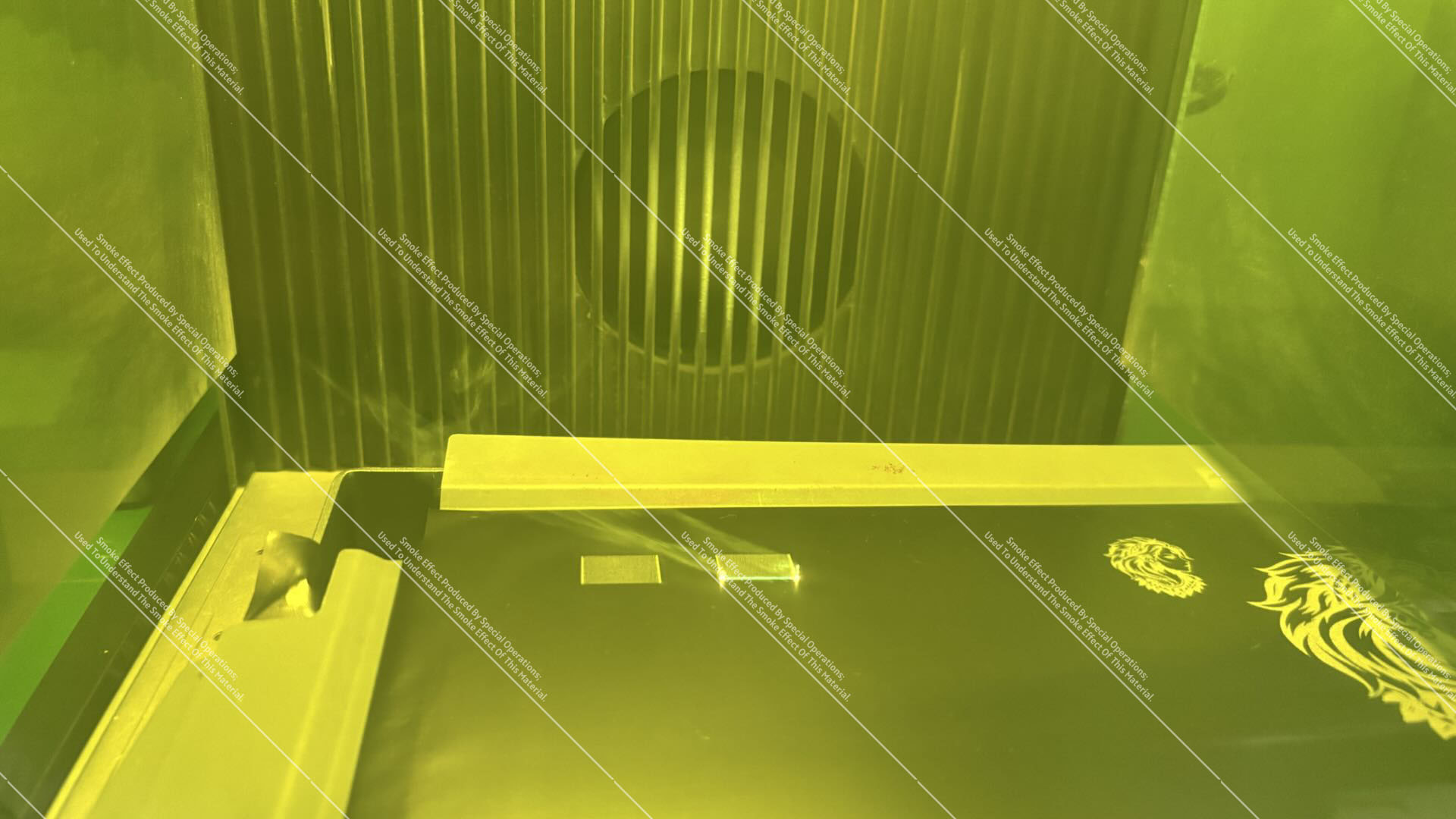
The Odor Produced During Screen Printing Engraving Mainly Comes From The Combustion And Oxidation Reactions Of The Material’s Surface Coating.
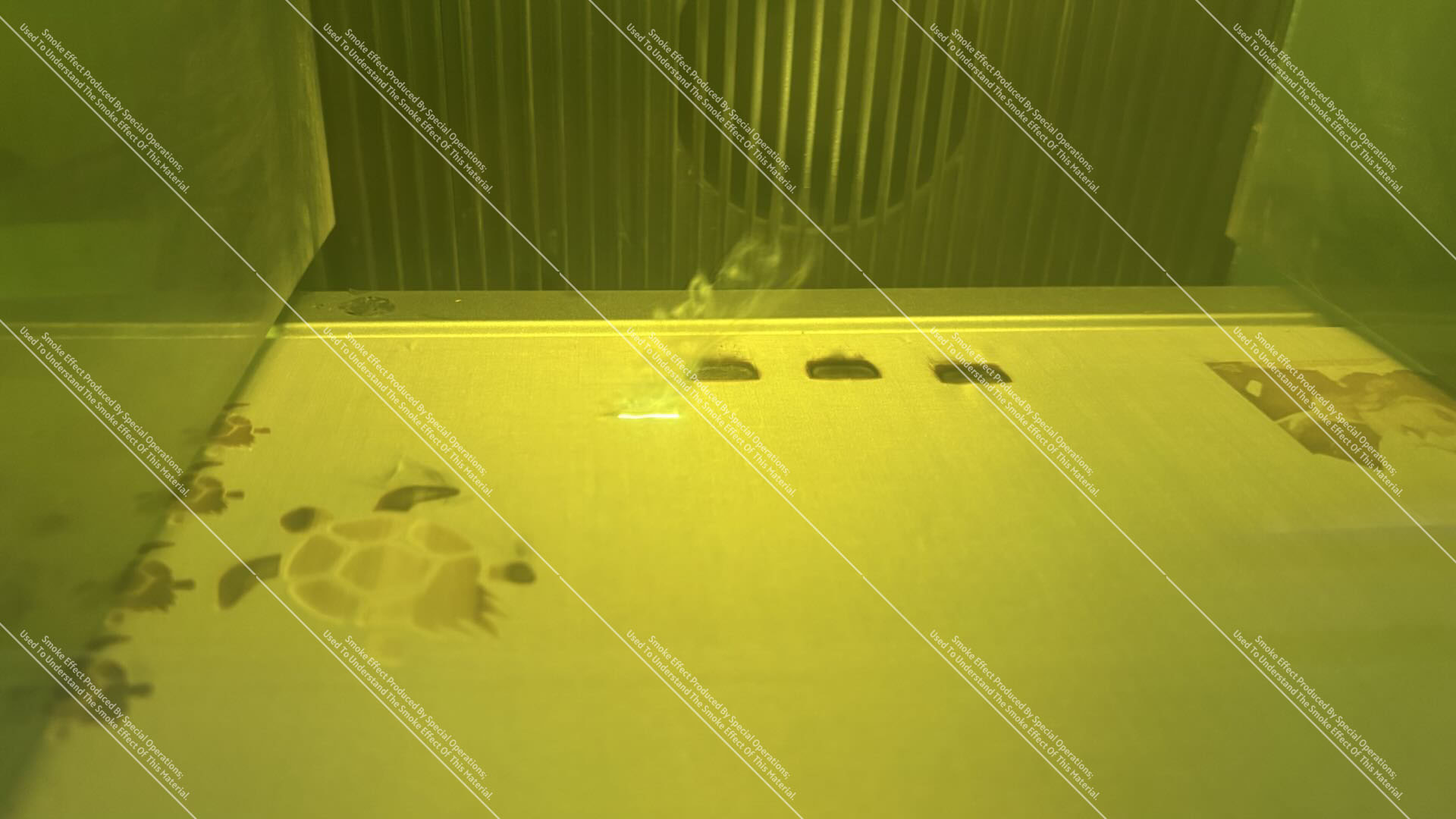
2.4 Acrylic Smoke Effect
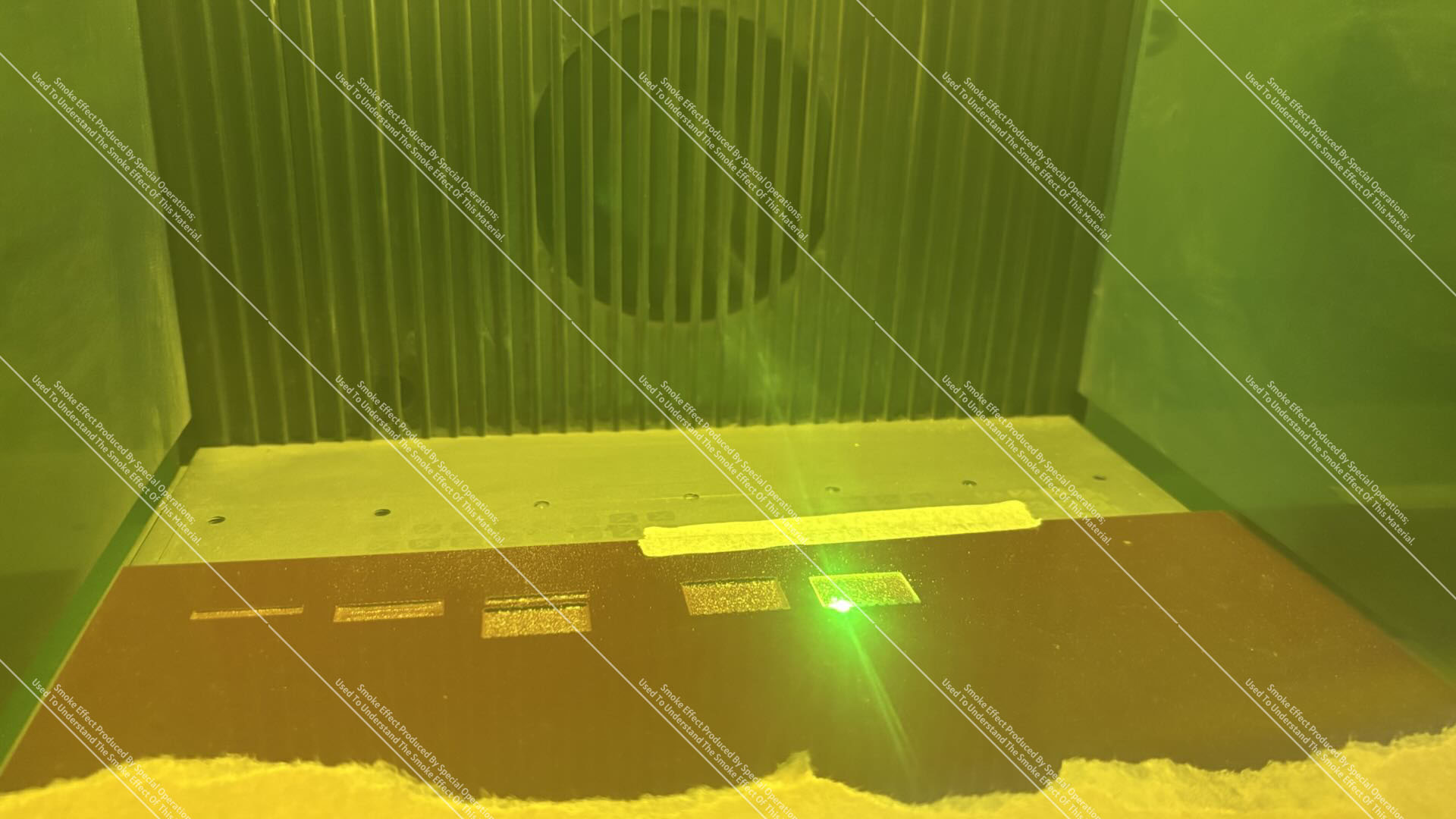
When Laser Engraving Acrylic, Substances Such As Methyl Methacrylate May Be Released, Which Can Irritate The Respiratory Tract. Prolonged Or High-Level Exposure May Cause Discomfort. It Is Recommended To Operate In A Well-Ventilated Environment And Use Exhaust Equipment To Minimize The Impact Of Odors On The Human Body.
2.5 MDF Smoke Effect
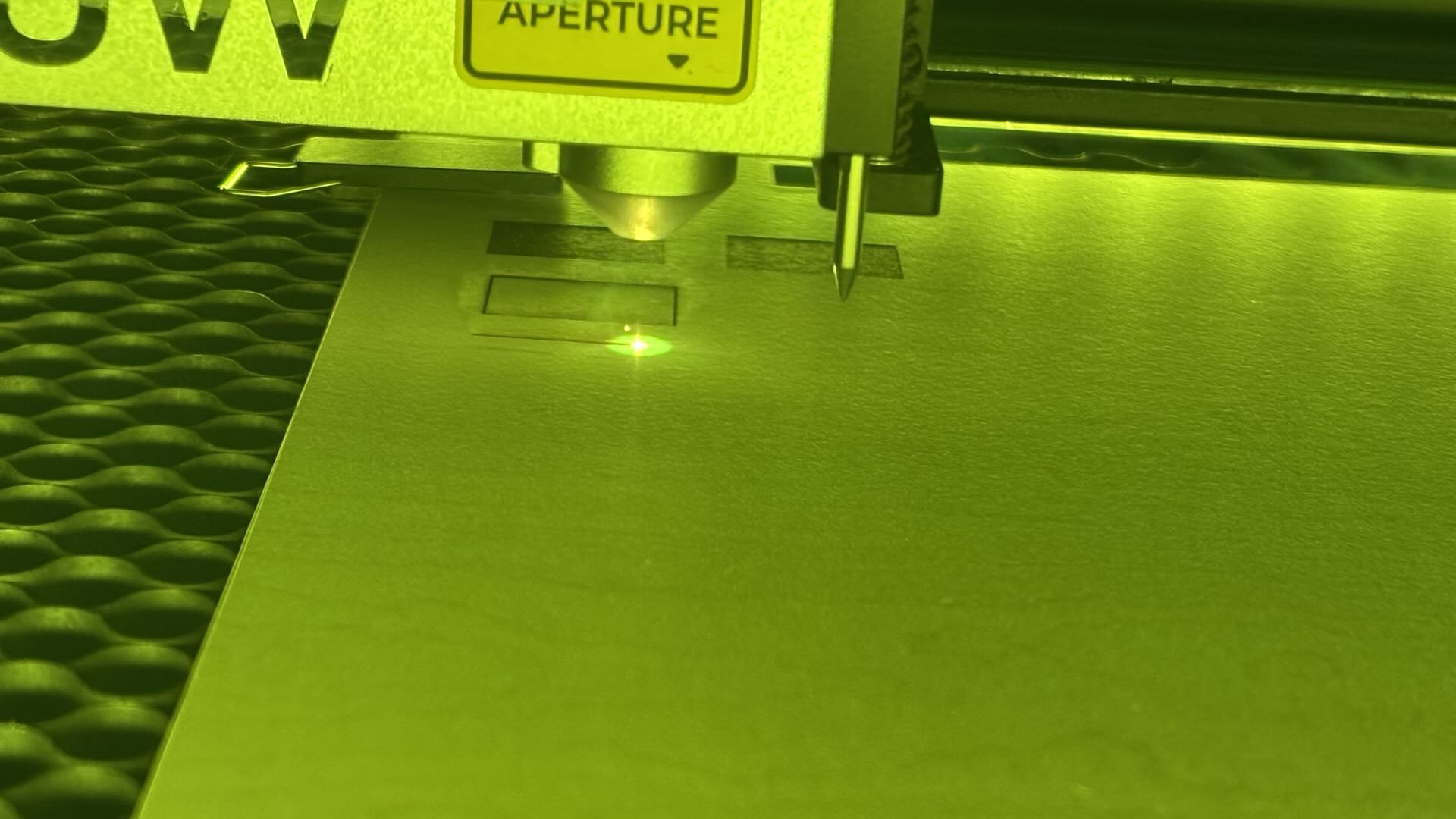
Wood Fibers Under High Temperatures Undergo Pyrolysis, Releasing Various Volatile Organic Compounds. The Material’s Off-Gassing And Thermal Reactions Produce Odors.
2.6 ABS Smoke Effect

Gases Produced During ABS Material Processing Are Somewhat Irritating. Prolonged Or Heavy Inhalation May Cause Discomfort. It Is Recommended To Operate In A Well-Ventilated Environment With Professional Fume Extraction Equipment To Minimize The Impact Of Odors On The Human Body.
2.7 Silicone Smoke Effect
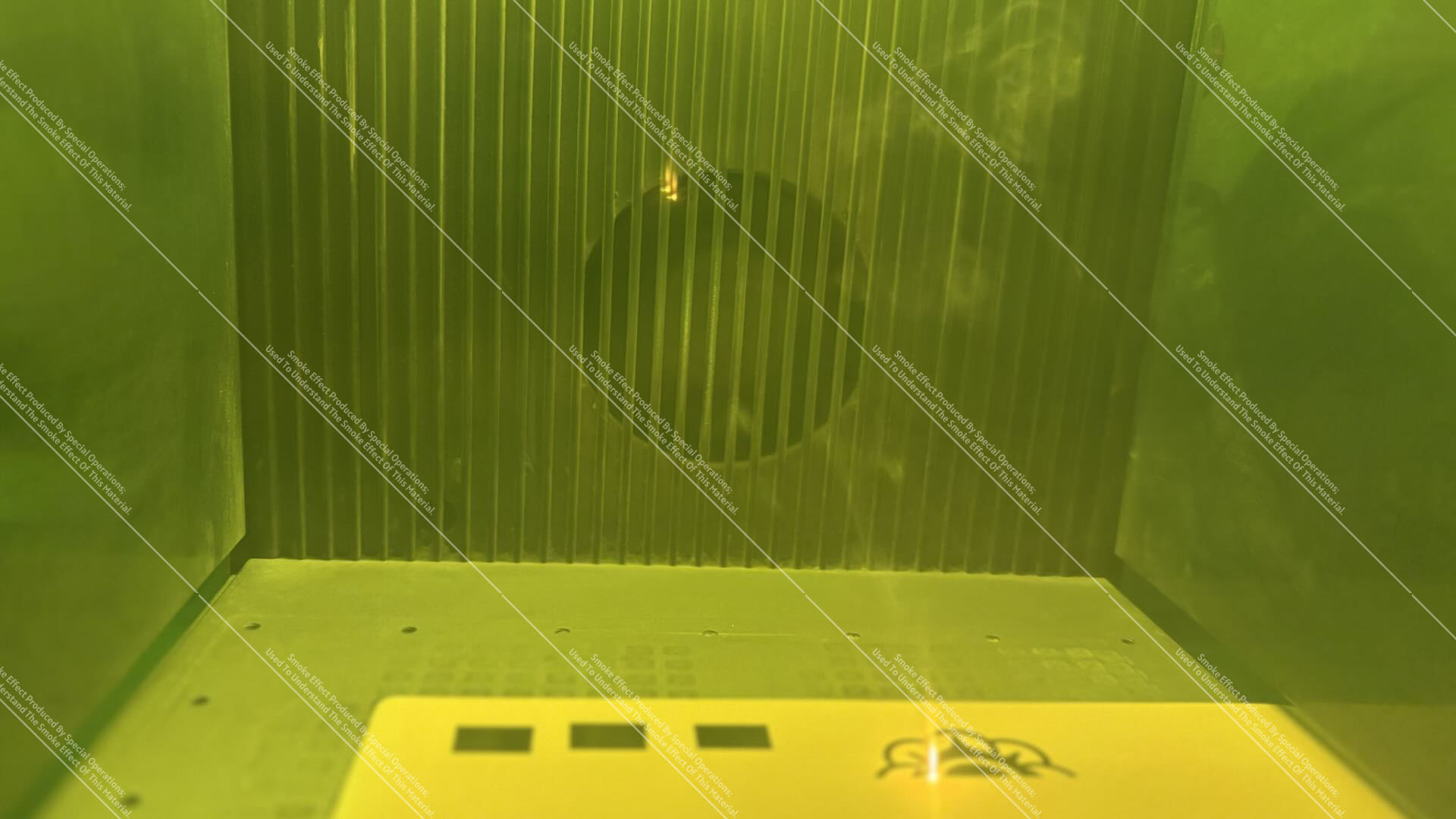
Silicone Is Nontoxic And Odorless By Itself. Its Odor Mainly Originates From Vulcanizing Agents Used During The Manufacturing Process. During Laser Engraving, High Temperatures Can Further Decompose The Vulcanizing Agents, Producing Volatile Gases.
2.8 Rubber Smoke Effect
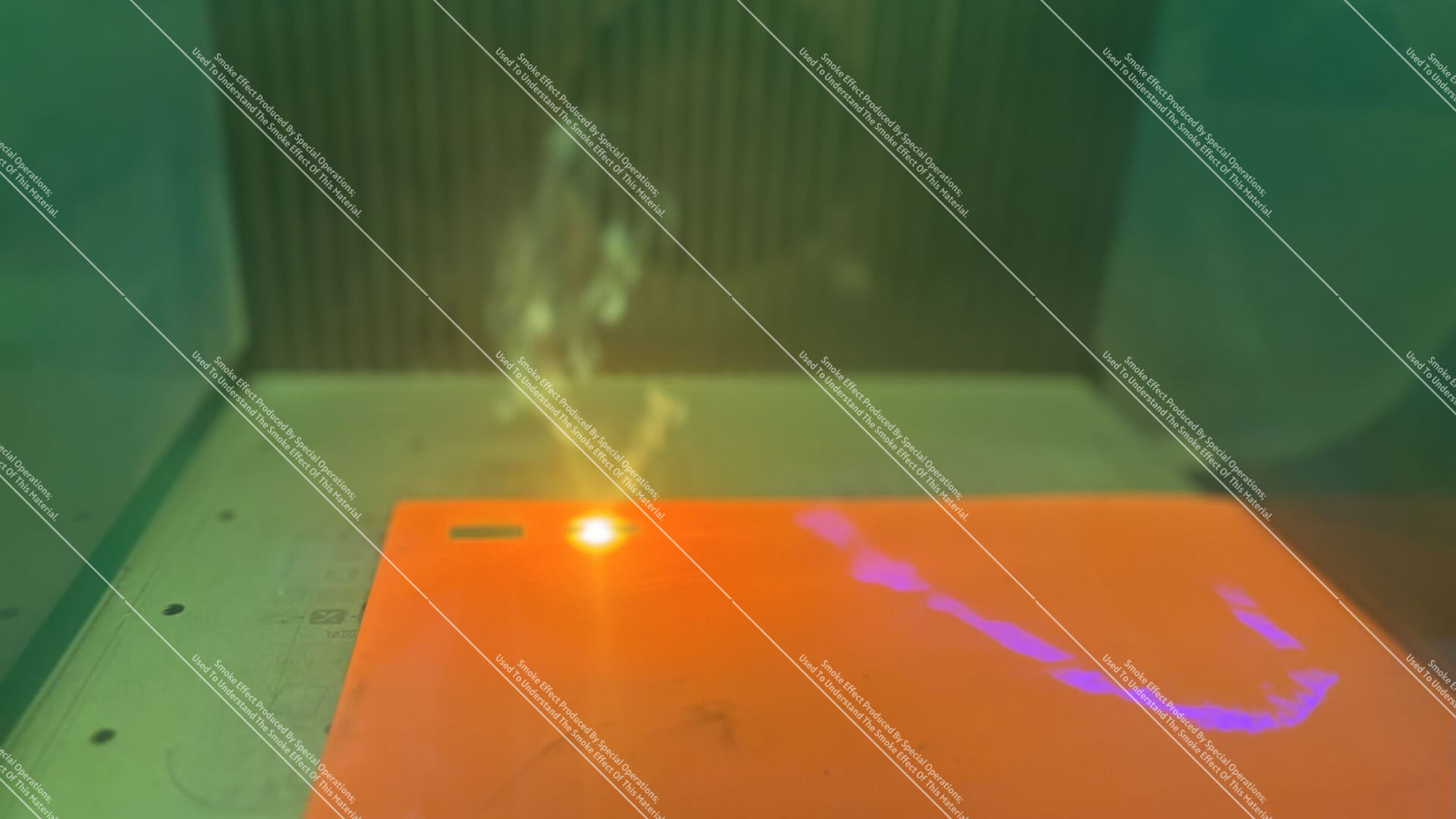
The Substances Produced During Rubber Material Processing Can Irritate The Respiratory Tract And Skin, And Long-Term Inhalation May Cause Discomfort. It Is Recommended To Operate In A Well-Ventilated Environment And Use High-Efficiency Fume Extraction Equipment To Minimize Exposure To Odors.
2.9 Leather Smoke Effect
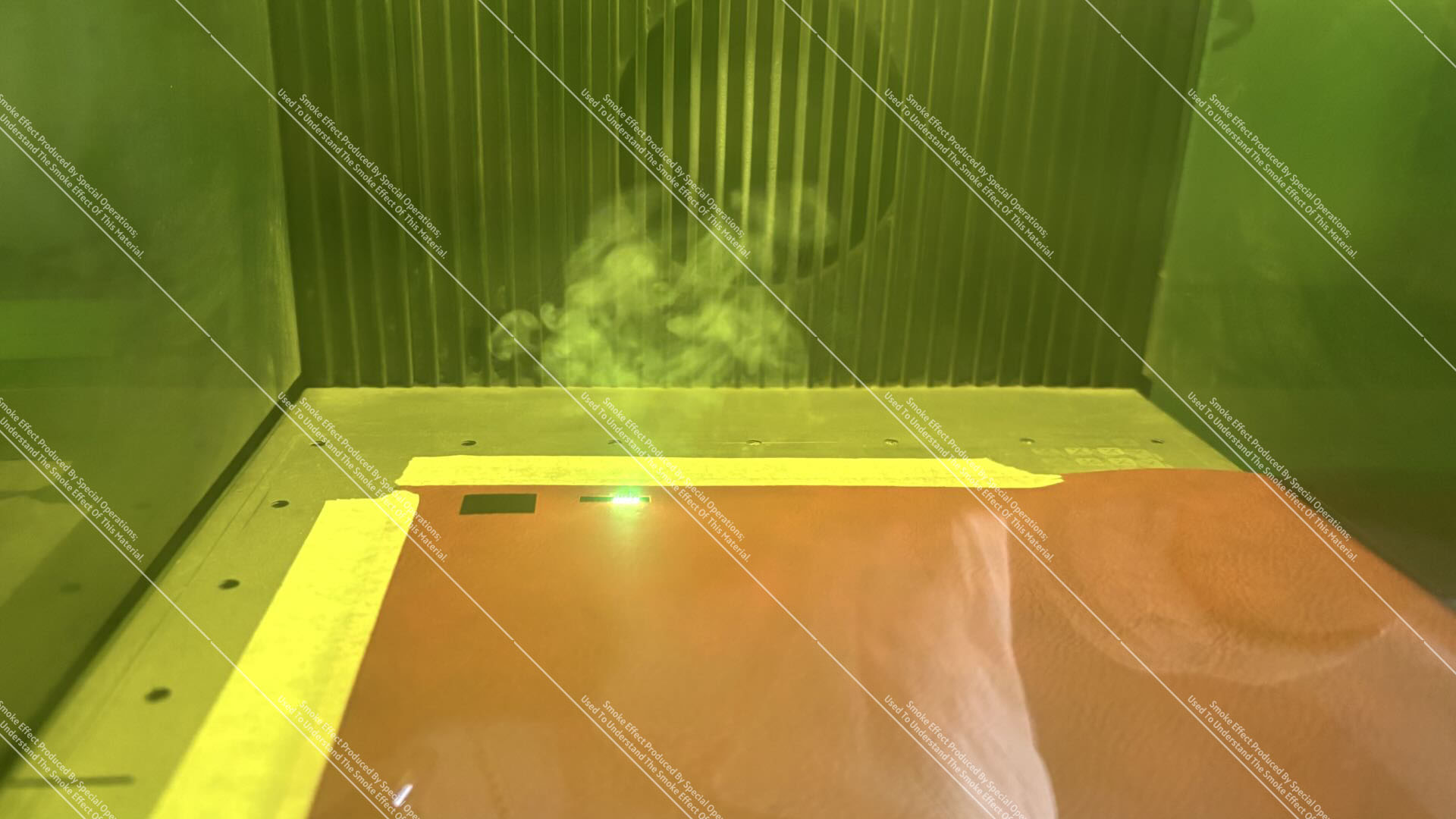
The Amines And Aldehydes Produced During Leather Processing Can Irritate The Respiratory Tract, And Long-Term Inhalation May Cause Discomfort. It Is Recommended To Operate In A Well-Ventilated Environment And Use Fume Extraction Equipment To Minimize Exposure To Odors.
2.10 Cardboard Smoke Effect
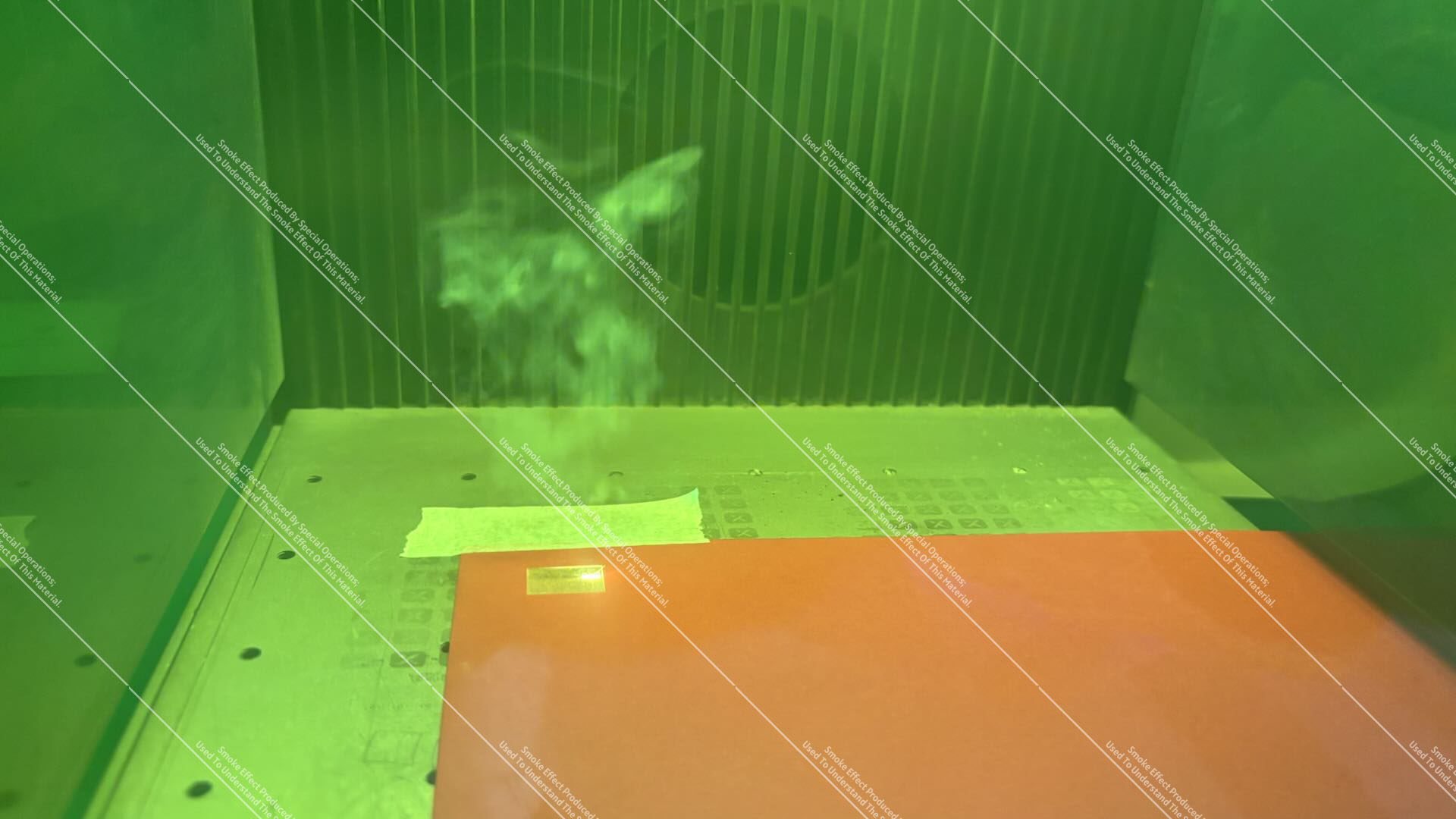
The Aldehydes And Other Substances Produced During Felt Processing Can Slightly Irritate The Respiratory Tract. Long-Term Inhalation In A Confined Environment May Cause Discomfort. It Is Recommended To Operate In A Well-Ventilated Area And Use A Small Fume Extraction Device To Reduce Odor Accumulation.