
1. Equipment and Materials
1.1 Printing Materials
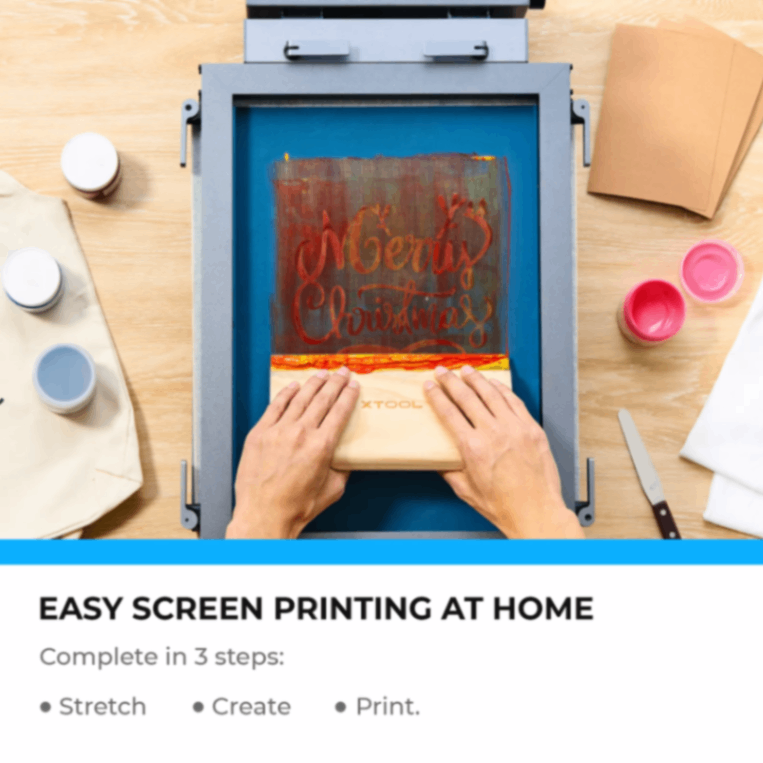
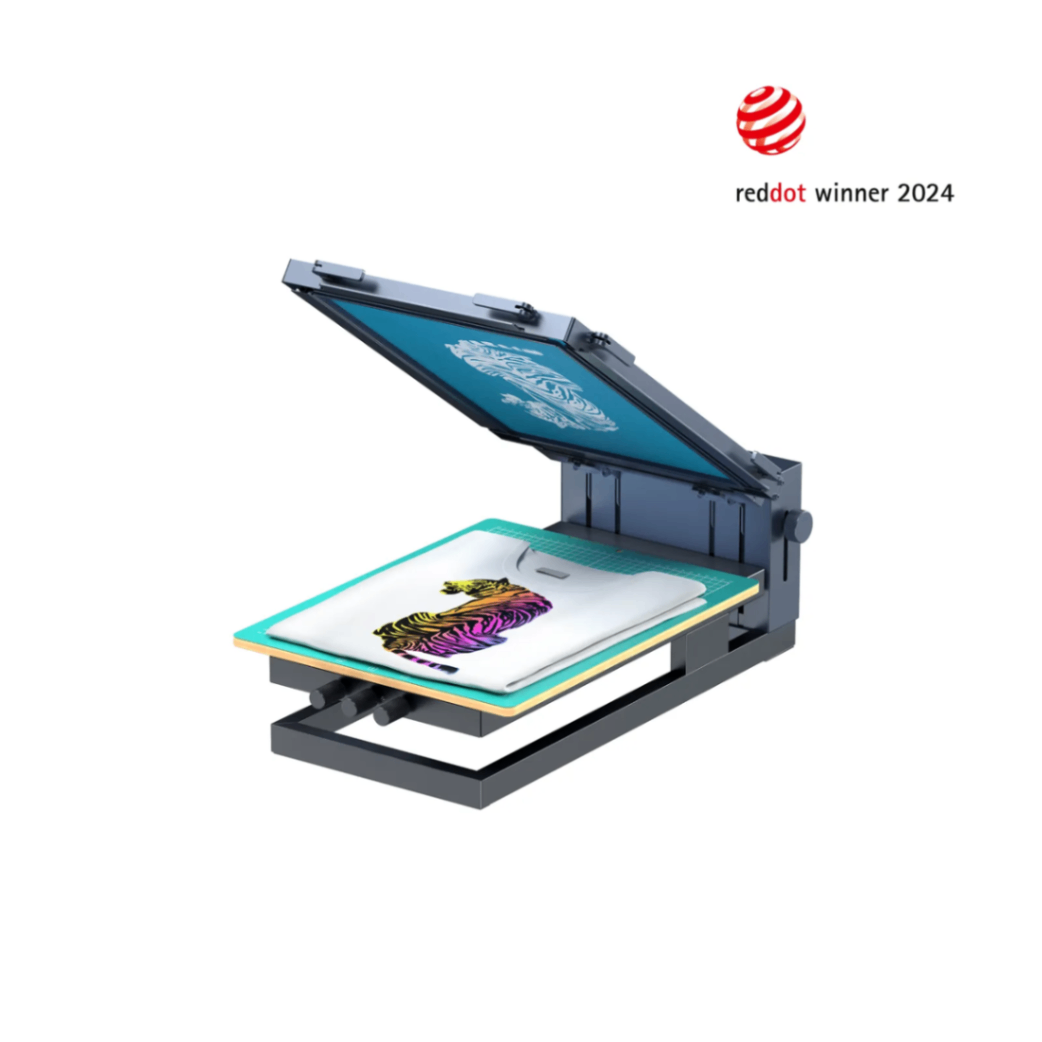
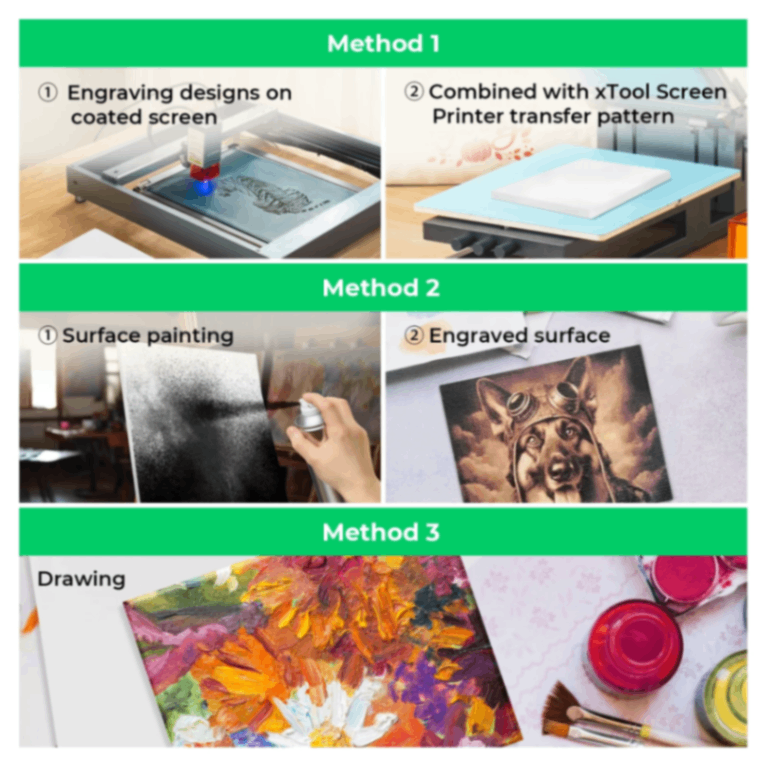
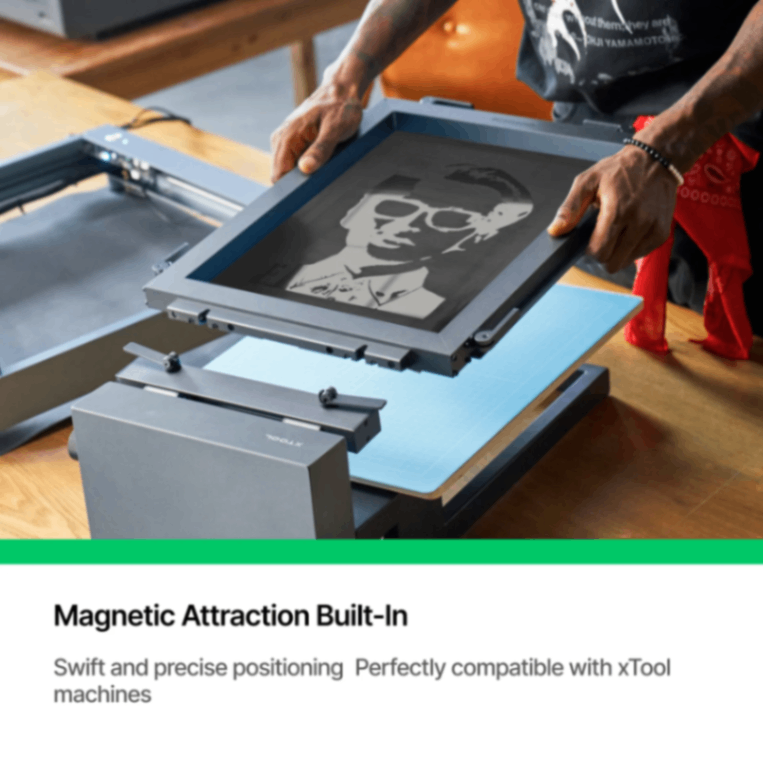
1.2 Printing Ink
Selectable Ink Types: Ink Types Supported by xTool Screen Printer - xTool Support Center
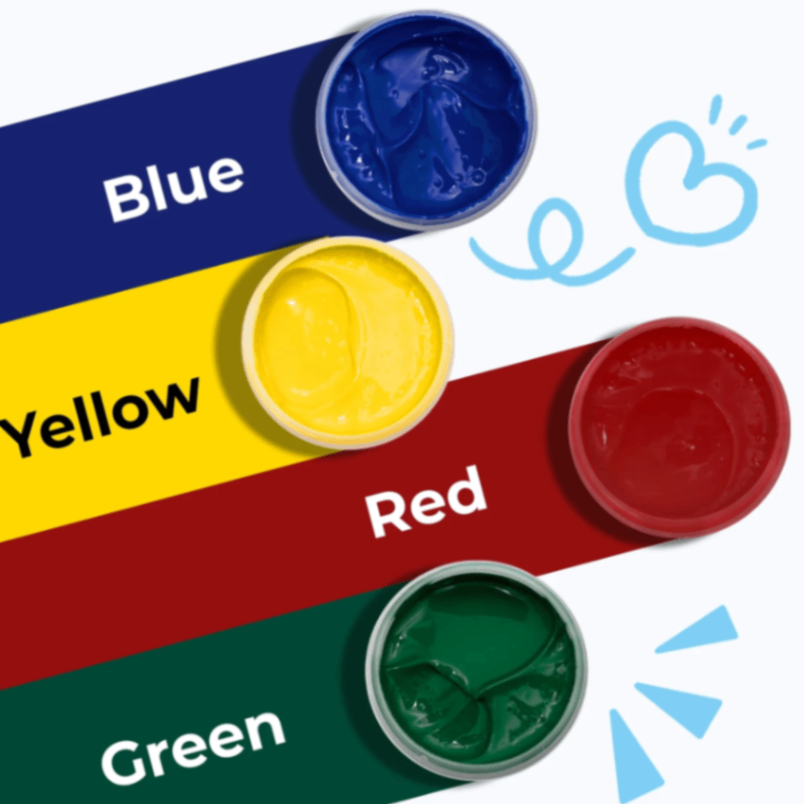
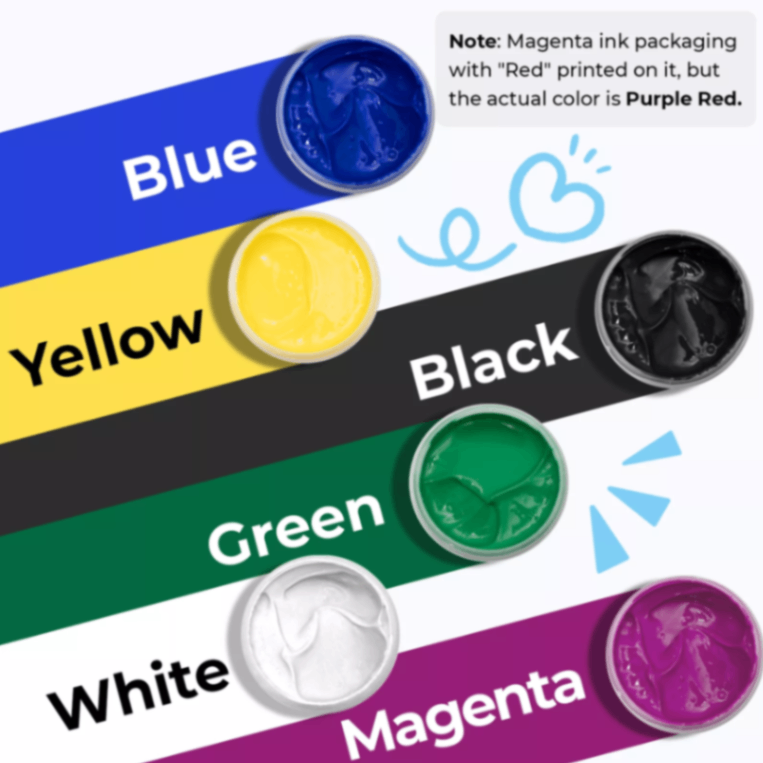
Basic Color Screen Printing Ink Set
Search for more materials on the official website
Water-based ink in multiple colors / Fluorescent / Glow in the Dark / Glitter in gold and silver / Thermochromic / Photochromic.
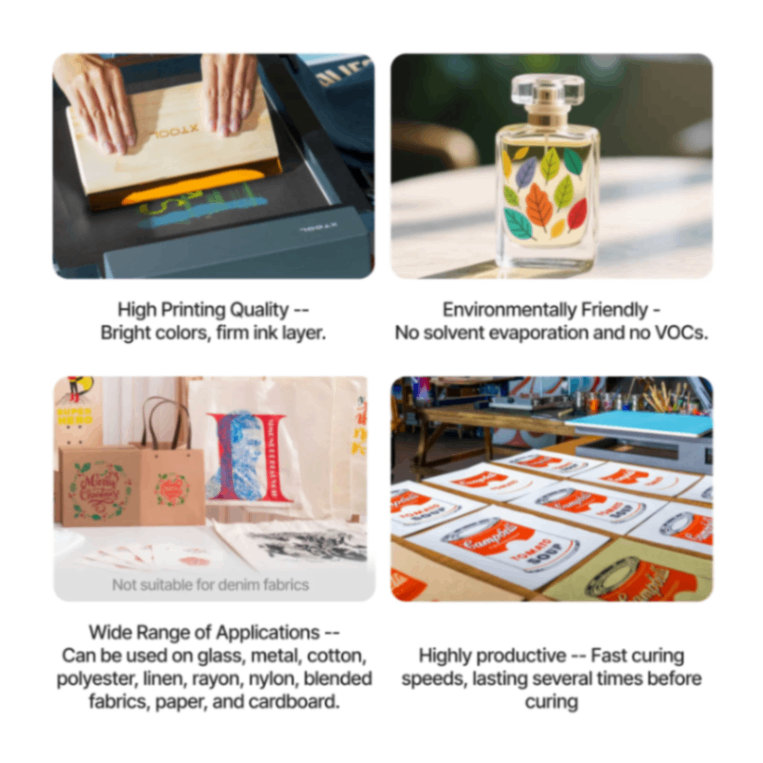
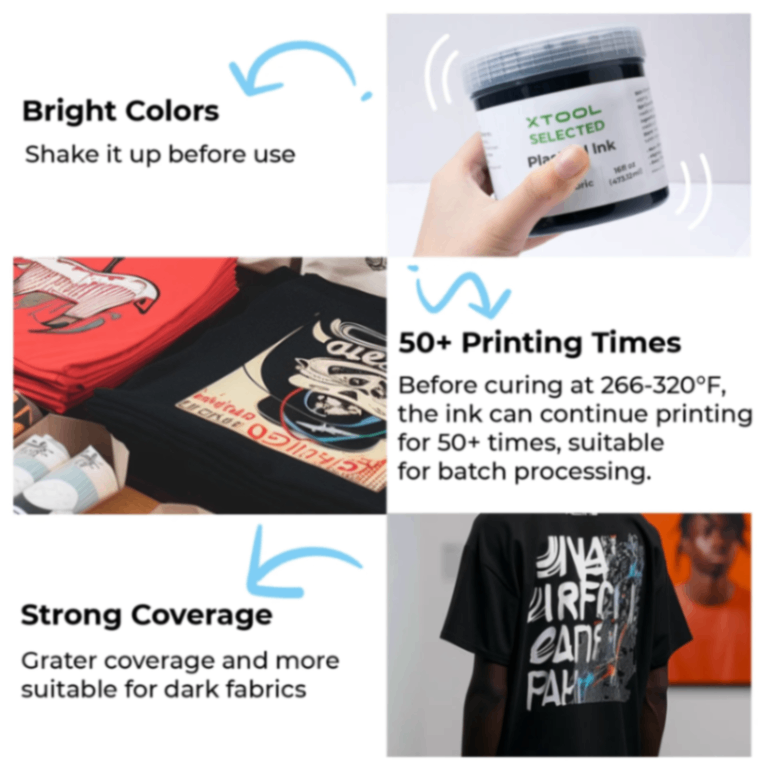
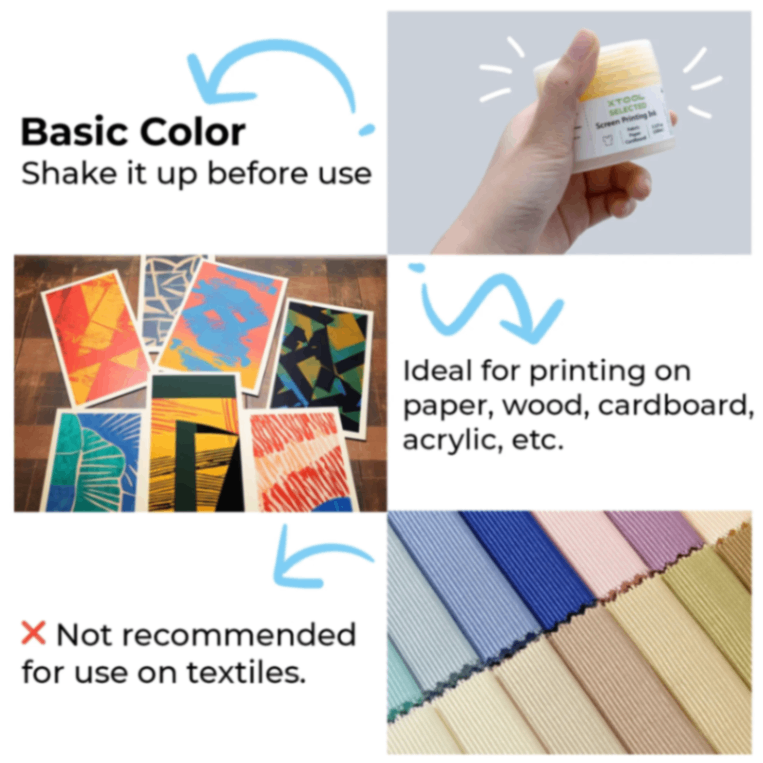
Basic Color Acrylic Screen Printing Ink Set
Fluorescent Color Acrylic Screen Printing Ink Set
Multicolor Set/White/Black/Fluorescent/Glitter Gold and Silver.
1.3 Printing Substrate
Types of Substrates and Printing Characteristics
It is recommended that the screen mesh count be matched with the ink characteristics for application on the corresponding substrate.
Cotton cloth
Ink fading may occur after washing, and there may be a mismatch between the ink's extensibility and the cotton fabric.
Polyester fiber
There may be insufficient surface adhesion.
Denim
The denim fabric is relatively dark in color, which may cause the printed patterns to appear unclear.
Nylon fabric
There may be a phenomenon of insufficient surface adhesion.
Paper
Excessive ink moisture can easily cause the paper to warp and penetrate.
Glass
Ink may come off after Printing cleaning.
Brass
Ink may come off after Printing cleaning.
Wood
Ink diffusion along the wood grain may occur.
1.4 Adaptation of Processing Equipment
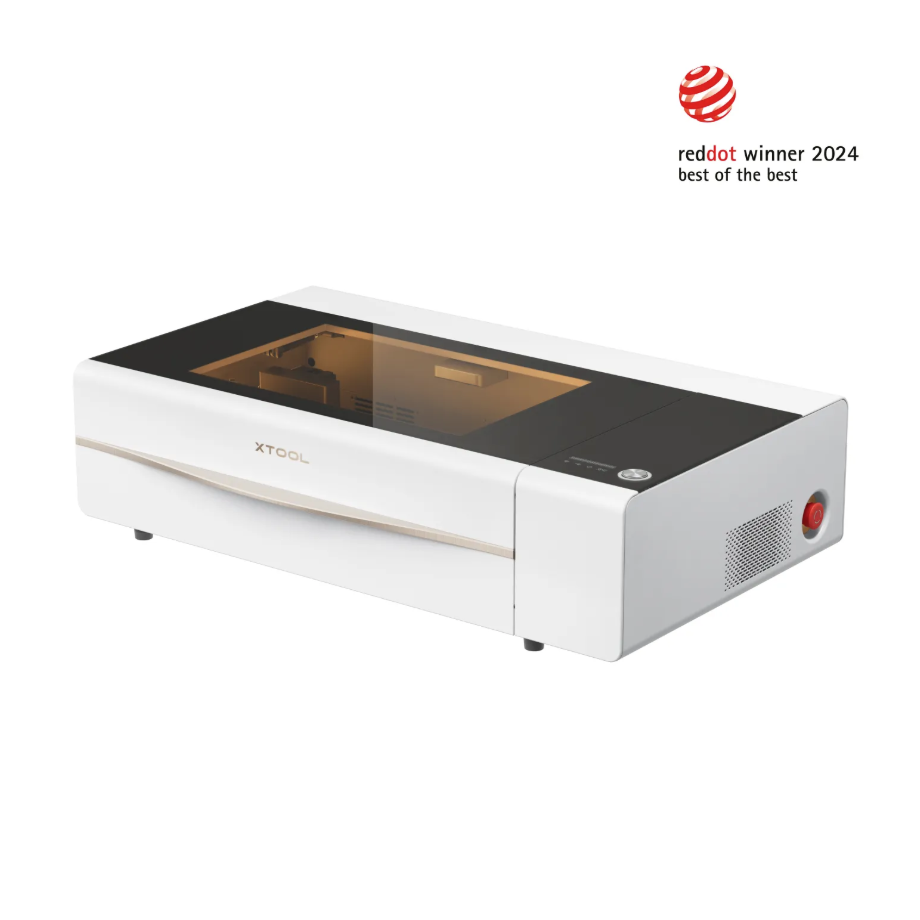
Adapt to Processing Mode: Process on Flat Surface
2. Preparation before processing
2.1 Wearing Protective Equipment
It is recommended to connect the device's smoke exhaust pipe to an outdoor ventilation area.
When operating equipment for processing, a mask must be worn.
When processing equipment, if there is a need for exposed light emission, appropriate laser safety goggles for the corresponding laser wavelength must be worn.
2.2 The two mesh types currently sold by XTOOL:
Name | Characteristics of Printing Ink | Applicable Scenarios | Suitable Printing Materials |
100目Screen | Compared to 200 mesh, the engraving printing precision appears less detailed in the facial features of the characters. | Suitable for most materials. | Rough, highly absorbent materials, such as cardboard and fabric. |
200目Screen | The carving and printing have high precision, which can effectively capture the facial details of the printed figures. | Suitable for most materials. | Smooth materials such as glass, metal, and PET. |
2.3 Comparison of CO2 Processing Between Polyester Screen and Coated Screen
Material | Cable material response to light source | Processing Method |
Polyester Screen | May be fused by the CO2 light source | A matrix centered on the recommended parameters can be used to select the appropriate recommended parameters for this processing. |
Coated Screen | Weak response to CO2 light source | Process directly using the recommended parameters. |
2.4 Install the screen onto the screen frame
Polyester Screen Installation Document;
Polyester Screen Installation Video;
2.5 Is it necessary to remove the base plate
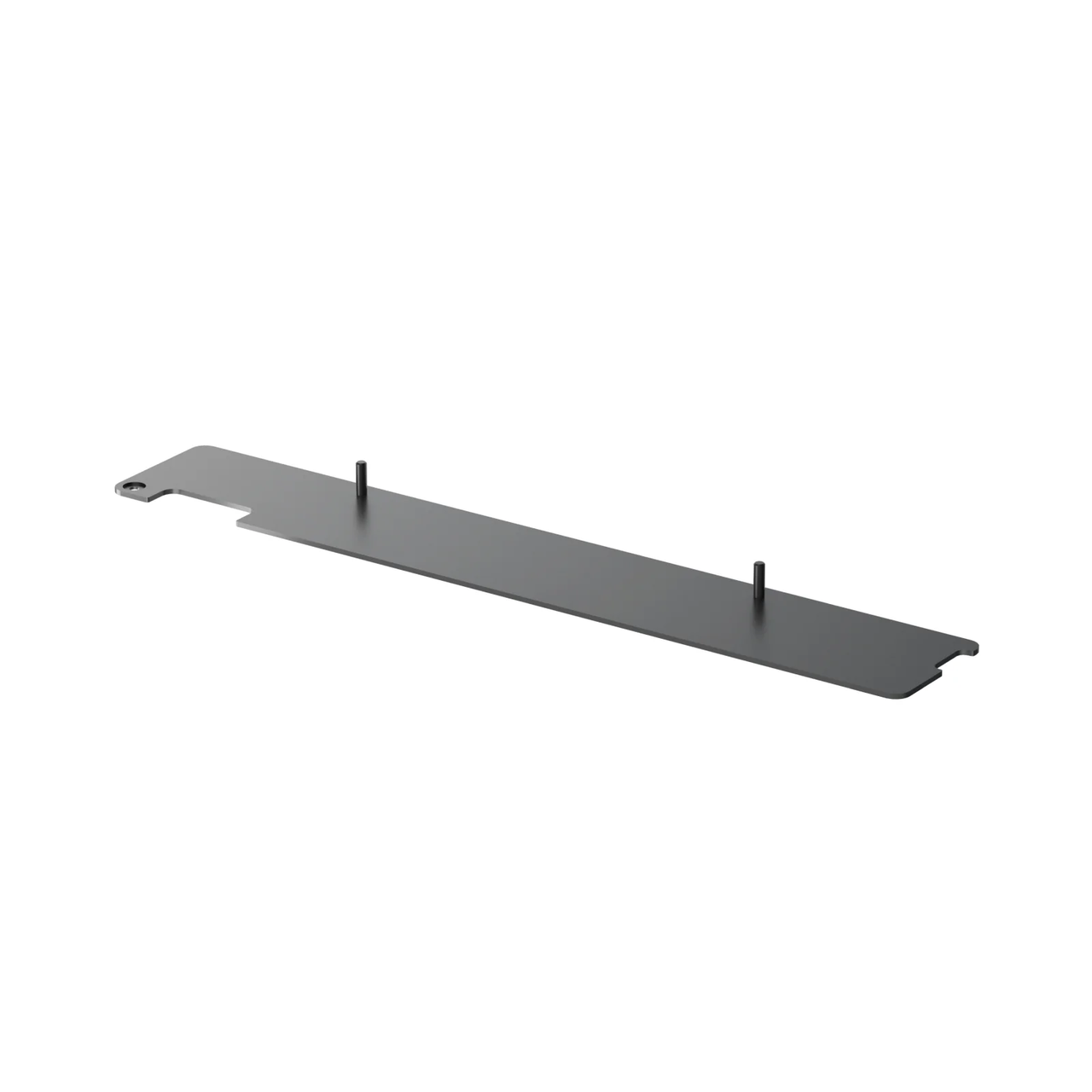
Small-sized screen frame: can be directly placed into the processing area after removing the knife strip.
[Knife Strip Removal Diagram] [Small Net Frame Placement Diagram].
Large screen frame: The blade bar must be removed simultaneously and placed into the Riser Base to prevent the screen frame from affecting the movement and processing of the laser head.
3. Common Problems and Solutions
3.1 How to Determine the Processing Side of the Screen
For the Coated Screen sold by XTOOL, place it with the side covered with white masking paper facing up, and the side adhered to corrugated cardboard facing down. The side facing up is the surface to be processed by the laser head.
3.2 Post-processing Phenomena
When processing with CO₂, the coated screen is neither cut nor engraved, and there is no occurrence of stencil wires being melted or broken.
The coated layer on the surface of the stencil will be scraped off by laser engraving, and changes in power will affect the effectiveness of removing the surface coating.
Please use the recommended parameters for processing, and perform printing on the processed mesh board. The printing result is very clear.
3.3 Avoiding Abnormal Issues
Please use the single-pass scanning mode for processing.
Please clean the laser head and the machine base plate promptly.
Please process using the recommended parameters.
3.4 Screen Ink Cleaning
The screen plate with the carved pattern can be repeatedly printed after carving the pattern:
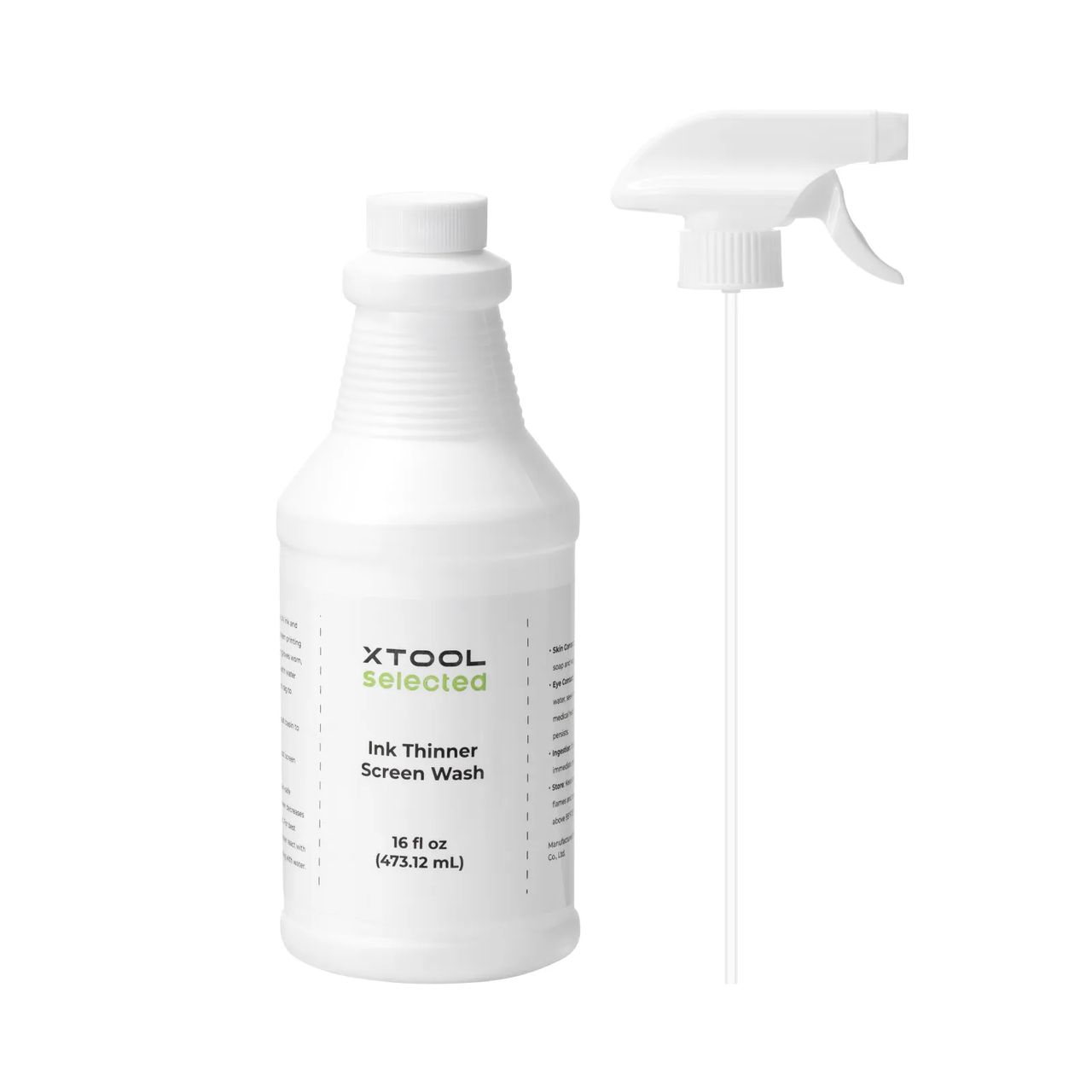
After using one color for printing, you can moisten and soak the original ink with an ink thinner, then rinse the softened ink with tap water. After wiping off any dirt and water stains, you can use another color to print the engraved pattern again.
After carving the pattern, the mesh plate cannot be processed by scraping off the entire surface coating and then recoating the surface:
The coating thickness of the resurfaced surface is different from the original, so the existing recommended parameters cannot be applied.
The re-coated surface material may differ from the previous one and may not be compatible with the existing recommended parameters.

Services & Help
Learn & Community

Copyright © 2025 xTool All Rights Reserved.