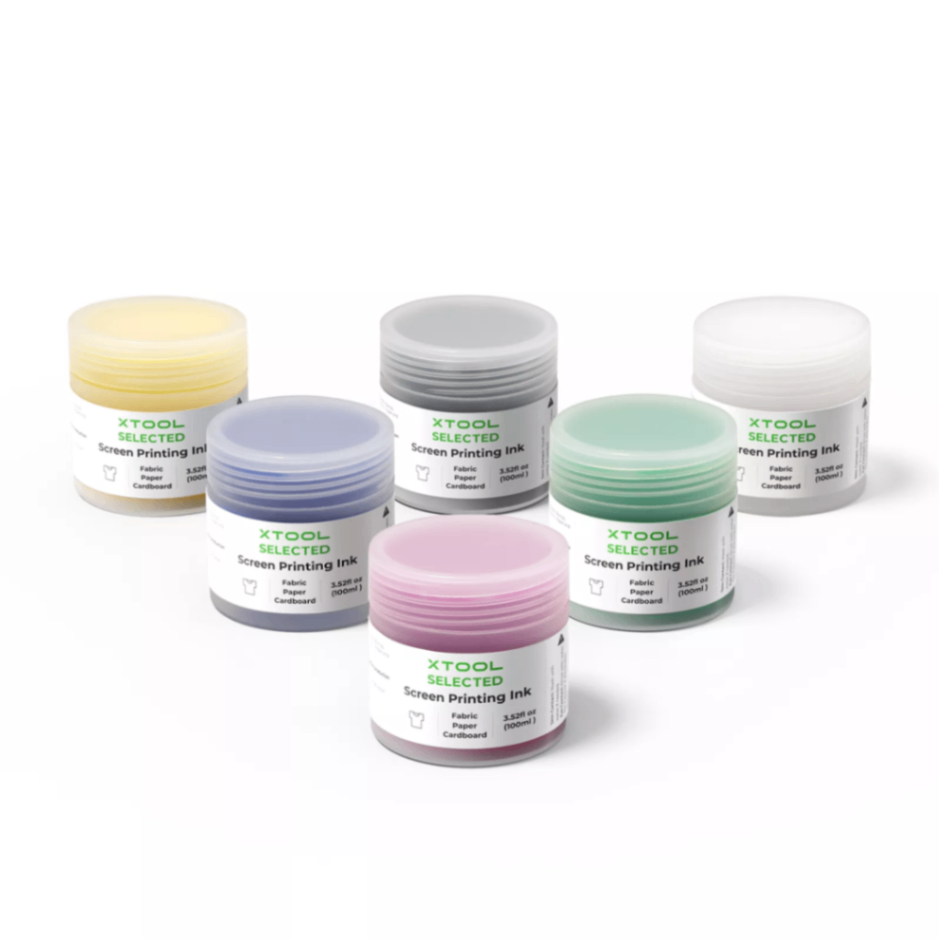
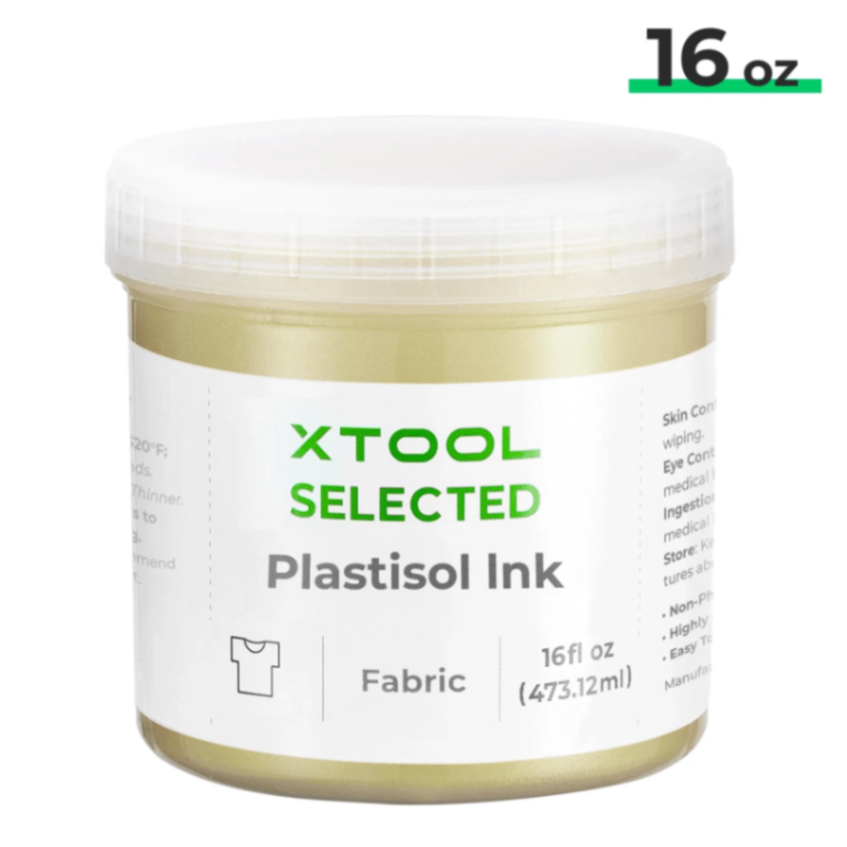
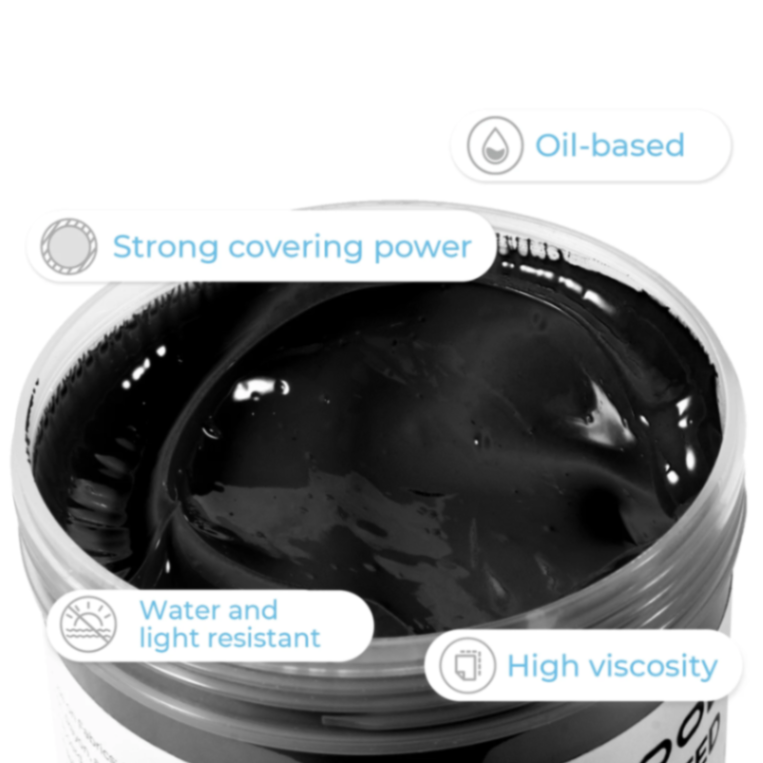
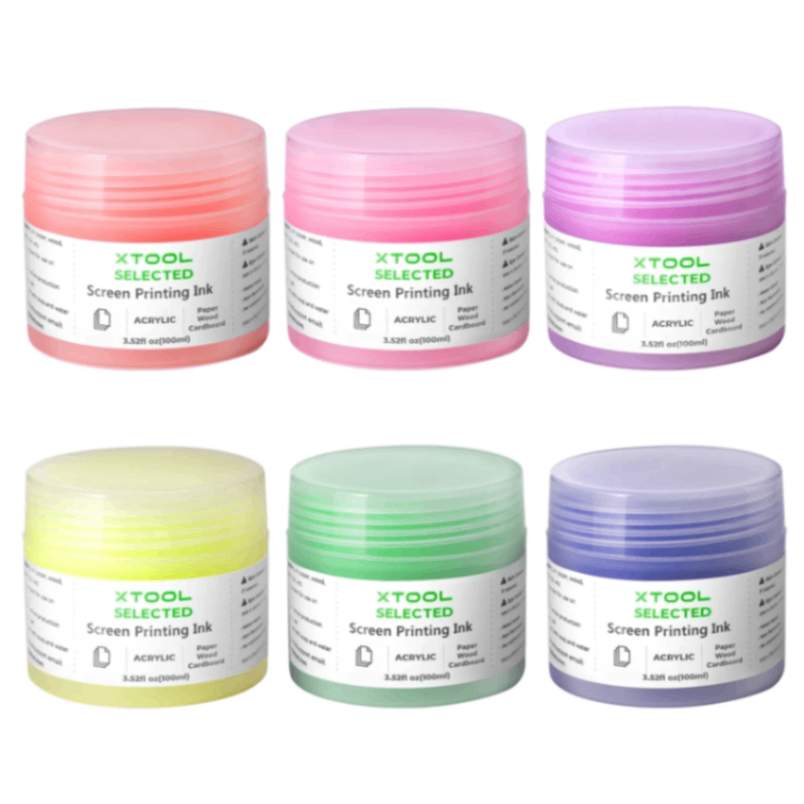
1. Types of Ink
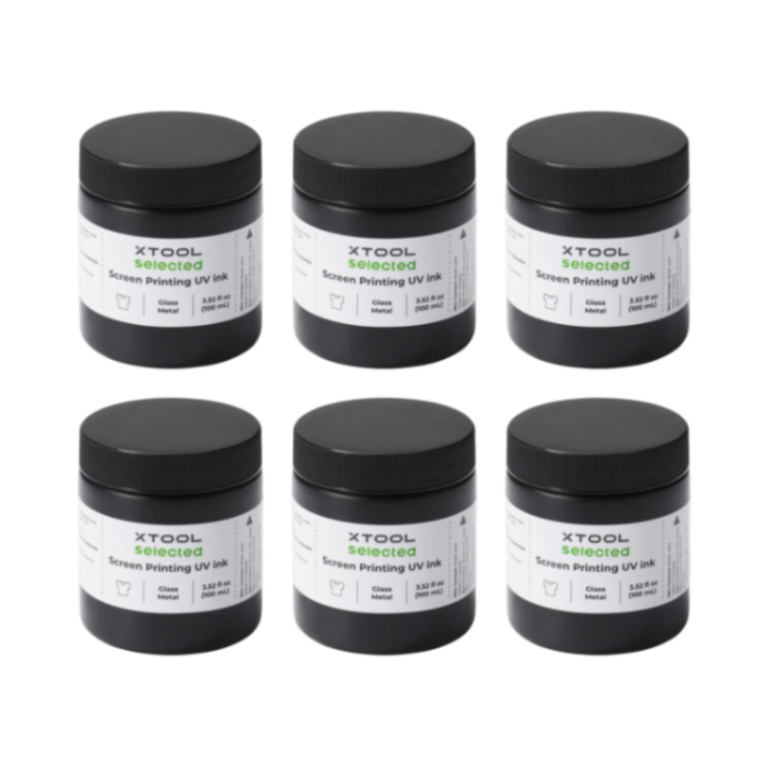
2. Printing Tools/Materials
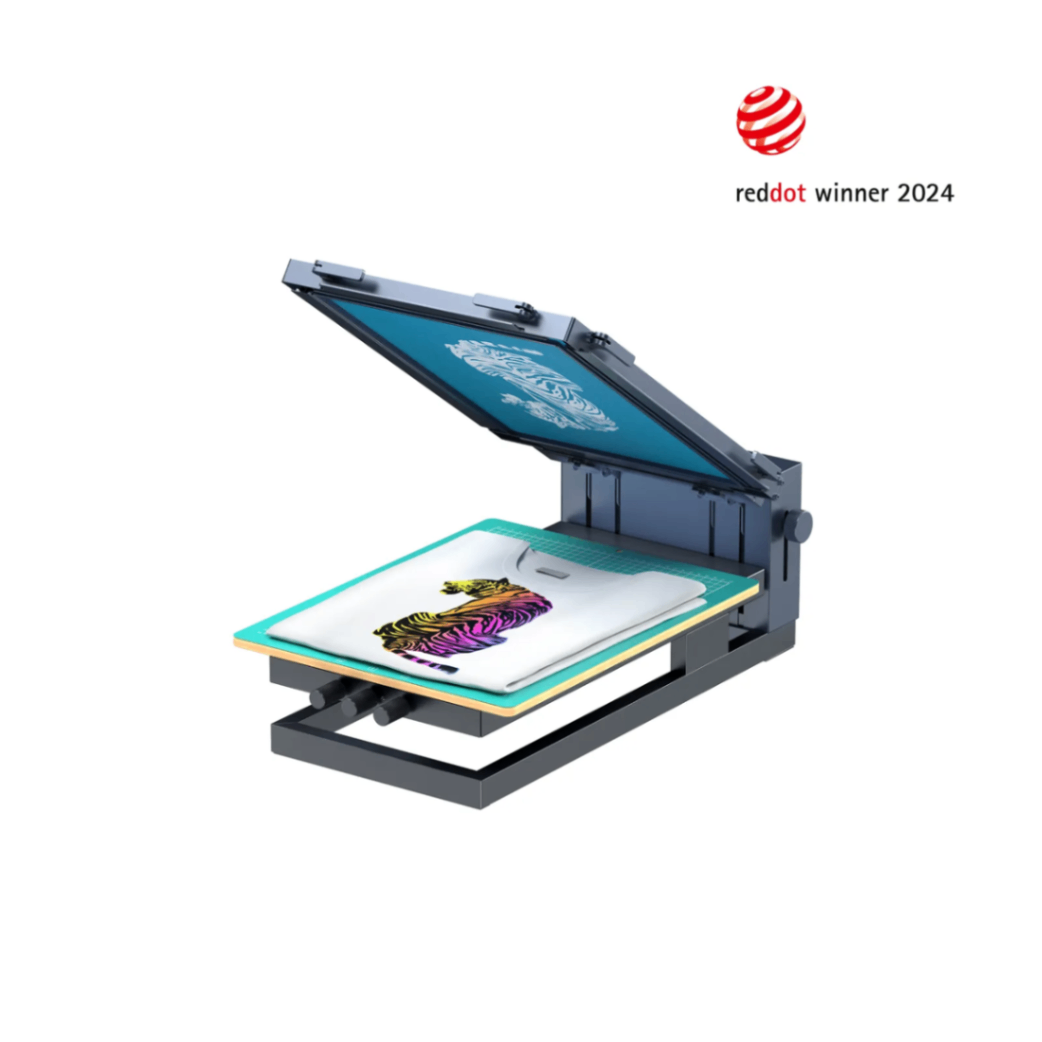
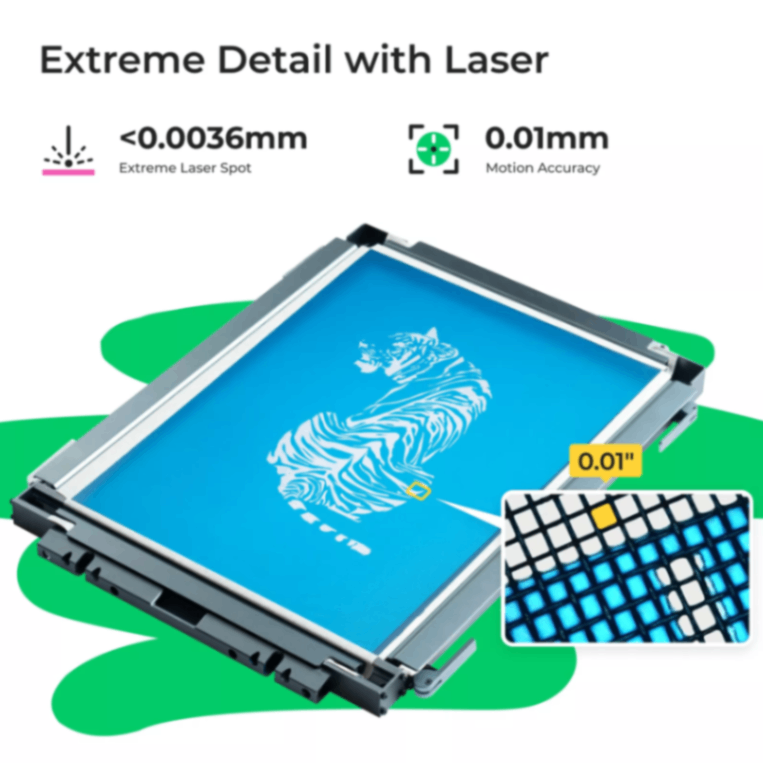
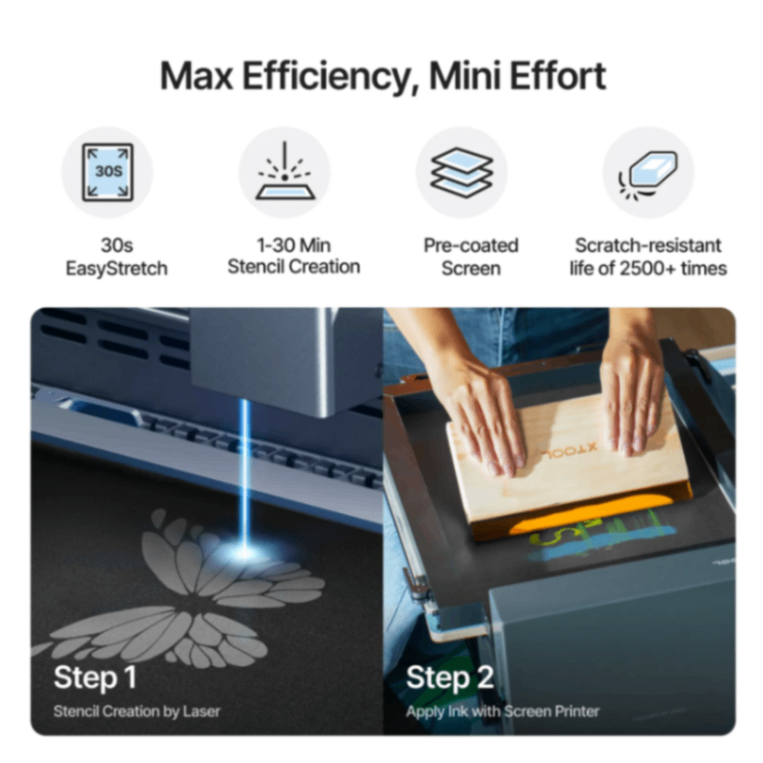
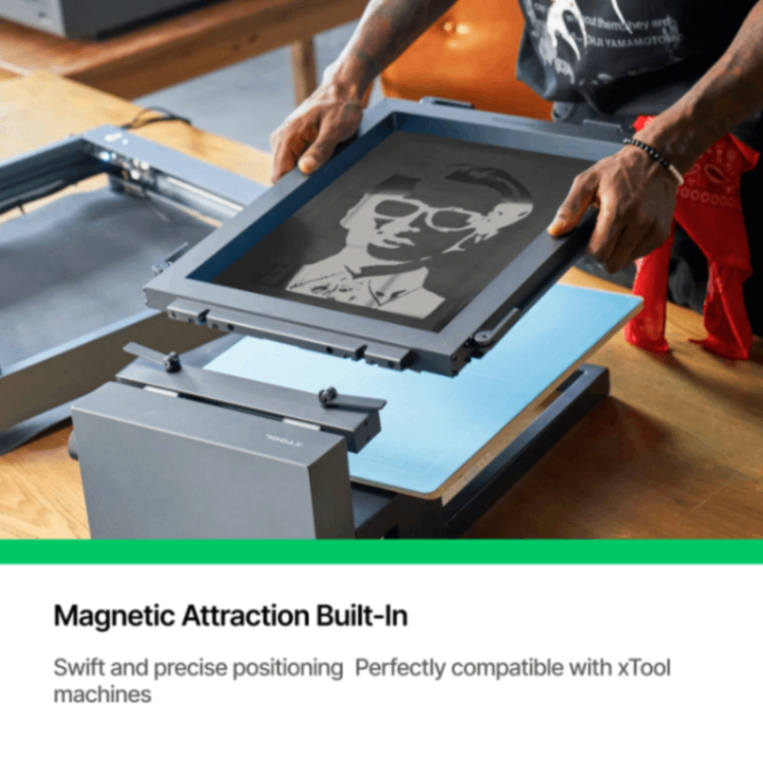
3. Printing Effects of Various Materials
3.1 Metallic Printing Compatible Ink
UV Ink
1. Metal surface treatment:
Clean the metal surface with a lint-free cloth or alcohol.
Check the metal surface for any oxidized areas. If present, clean and polish them to ensure the metal surface is free of impurities.
2. Printing process:
Place the metal material in the corresponding screen printing area, print with ink, and then proceed with curing.
3. Curing Treatment:
UV ink: It is cured instantly by ultraviolet exposure under a UV lamp, and the exposure time should not be too long. Prolonged exposure will affect the ink's adhesion performance.
Acrylic Ink
1. Metal Surface Treatment:
Clean the metal surface with a lint-free cloth or alcohol.
If there is any oxide on the metal surface, please clean and polish it.
Spray Printing Fixative (The fixative can be set using an oven or air-dried naturally. Do not blow directly with a hair dryer to avoid the surface liquid solidifying into ripples. Ensure it is completely dry before use).
2. Printing Process:
Place the metal material in the corresponding screen printing area, print with ink, and after the ink has cured, apply varnish for protective treatment.
Ink curing can be done using a dryer or by natural air drying.
3. Varnish Protection Treatment:
Varnish Fixative is sprayed onto printed patterns to protect the printing effect and prevent oxidation or other reactions caused by contact with water mist or similar substances.
Evenly spray the varnish fixative onto the surface of the printed material, and only make surface contact after the varnish has air-dried.
Oil-based ink
1. Metal Surface Treatment:
Clean the metal surface with a lint-free cloth or alcohol.
Ensure the metal surface is free of oxides; if present, grind and clean the contaminated areas.
2. Printing Process:
Place the metal material in the corresponding screen printing area, print with ink, and then proceed with curing treatment.
3. Curing Treatment:
Air dry naturally or dry with heat.
3.2 MDF board ink adaptation
UV ink
1. Printing Process:
Place the MDF in the corresponding screen printing area, print with ink, and then proceed with curing.
2. Curing Treatment:
UV Ink: When exposed to UV light, the exposure time should not be too long. The ink cures instantly under ultraviolet light, and prolonged exposure may affect the adhesion of the ink.
Acrylic Ink
1. Printing process:
Place the MDF material in the corresponding screen printing area, print with ink, and after the ink has cured, proceed with the varnish protection treatment.
Ink curing can be done using a dryer or by natural air drying.
2. Varnish Protection Treatment:
Varnish fixative is sprayed onto printed patterns to protect the printing effect and prevent oxidation or other reactions caused by contact with water mist and similar elements.
Evenly spray the varnish fixative onto the surface of the printed and processed material, and allow the varnish to air dry before any surface contact.
Oil-based ink
1. Printing Process:
Place the metal material in the corresponding screen printing area, print using ink, and then proceed with the curing process.
2. Curing Treatment:
Air dry naturally or dry with heat.
3.3 Plywood Printing Ink Adaptation
Plastisol Ink
1. Printing process:
Place the plywood material in the corresponding screen printing area and print with ink. The number of prints should not be excessive; twice is sufficient. Excessive printing will cause the ink to spread on the plywood.
2. Curing Treatment:
Ink curing requires the use of a dryer for curing and solidification.
UV ink
1. Printing process:
Place the plywood in the corresponding screen printing area, print using ink, and then proceed with the curing process.
2. Curing Treatment:
UV Ink: When exposed to UV lamps, the exposure time should not be too long. The ink cures instantly under ultraviolet light, and prolonged exposure may affect the adhesion performance of the ink.
Acrylic Ink
1. Printing process:
Place the plywood material in the corresponding screen printing area, print with ink, and after the ink has cured, proceed with the varnish protection treatment.
2. Curing Treatment:
Ink curing can be done using a dryer or by natural air drying.
Oil-Based Ink
1. Printing process:
Place the plywood in the corresponding screen printing area and use ink for printing. There is no need to brush repeatedly to avoid ink spreading.
2. Curing treatment:
Can be tumble dried for quick drying.
4. Frequently Asked Questions
4.1 Can it come into contact with water:
After using Printing Fixative, avoid contact with water, as contact between metal and water can easily cause oxidation reactions.
4.2 Ink diffusion on the material surface after printing:
When printing ink, it only needs to be printed 1 to 2 times; repeated printing multiple times will cause the ink to be squeezed and spread.
4.3 Usage amount of Printing Fixative:
The fixative should not be applied too thickly or too thinly; if too thick, the layer will become overly dense after solidification, affecting the texture of the underlying material; if too thin, it may be easily scratched or damaged. It is recommended to apply two even coats.